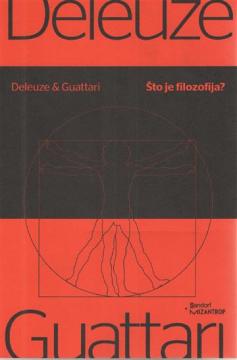
Što je filozofija?
Deleuze and Guattari in What is philosophy? define philosophy as the creation of new concepts on the level of immanence, distinguishing it from science (function) and art (percepts and affects).
What is Philosophy? (1991) is the last joint work of the two great thinkers and one of the most important metaphilosophical books of the 20th century. The book was written late in the lives of both authors and brings a mature, crystallized view of the nature of philosophy.
Deleuze and Guattari resolutely reject the usual definitions: for them, philosophy is not contemplation, reflection, communication, or the search for eternal truths. Instead, philosophy is a creative activity – the art of creating new concepts.
The authors distinguish three great ways of thinking that touch but do not mix:
- philosophy, which creates concepts on the plane of immanence,
- science, which creates functions on the plane of reference,
- art, which creates percepts and affects on the plane of composition.
There is a particularly strong emphasis on the plane of immanence as the premise of every philosophy – it is the field in which concepts are born and connected. The book also introduces the concept of conceptual persona (the philosopher is not only the author, but also the friend or lover of the concept he creates).
The style is rich, intense and typically Deleuzian – full of neologisms, dynamic and poetic. The work contains brilliant pages on the history of philosophy, on the relationship of philosophy to old age and friendship, and on its role in a world dominated by capitalism and the media.
What is philosophy? represents a kind of testament to Deleuze-Guattari's thought. The book is not only a metaphilosophical discussion, but also a strong defense of the creativity of thought against its commercialization and trivialization. It remains an indispensable read for anyone interested in contemporary philosophy, art and the epistemology of creation. In its Croatian translation, it quickly became a cult classic among younger generations of philosophers and artists.
One copy is available