J. G. Ballard
James Graham "J. G." Ballard (15. studenog 1930. - 19. travnja 2009.) bio je engleski romanopisac, pisac kratkih priča i esejist. Ballard se povezao s novim valom znanstvene fantastike rano u svojoj karijeri s apokaliptičnim (ili postapokaliptičnim) romanima kao što su Utopljeni svijet (1962.), Gori svijet (1964.) i Kristalni svijet (1966.). U kasnim 1960-ima i ranim 1970-ima Ballard se usredotočio na eklektičnu raznolikost kratkih priča (ili "zgusnutih romana") kao što je The Atrocity Exhibition (1970.), koji je napravio bližu usporedbu s djelima postmodernističkih pisaca poput Williama S. Burroughsa. Godine 1973. objavljen je vrlo kontroverzni roman Crash, priča o simforofiliji i fetišizmu prometnih nesreća; protagonist se seksualno uzbuđuje insceniranjem i sudjelovanjem u stvarnim prometnim nesrećama. Priču je kasnije adaptirao u istoimeni film kanadski redatelj David Cronenberg.
Dok su mnoge od Ballardovih priča tematski i narativno neobične, on je možda najpoznatiji po svom relativno konvencionalnom ratnom romanu, Empire of the Sun (1984), polu-autobiografskom prikazu iskustava dječaka u Šangaju tijekom Drugog kinesko-japanskog rata pošto ga je okupirala japanska carska vojska. The Guardian opisao je kao "najbolji britanski roman o Drugom svjetskom ratu", a priču je 1987. adaptirao Steven Spielberg u film.
Književna osebujnost Ballardova djela dovela je do pridjeva "Ballardian", definiranog u Collinsovom engleskom rječniku kao "nalik ili sugestija stanja opisanih u romanima i pričama J. G. Ballarda, posebno distopijske modernosti, sumornih krajolika koje je stvorio čovjek i psiholoških učinci tehnološkog, društvenog ili ekološkog razvoja." Stavka Oxfordskog rječnika nacionalne biografije opisuje Ballardov rad kao okupiran "erosom, thanatosom, masovnim medijima i novim tehnologijama".
Naslovi u ponudi
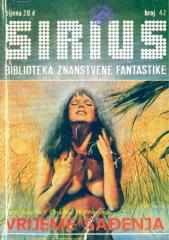
Sirius #42: Biblioteka znanstvene fantastike
Sirius je bio hrvatski časopis za znanstvenu fantastiku. Osnivanje je predložio Damir Mikuličić 1976. U Siriusu su objavljeni radovi domaćih autora, kao i prijevodi inozemnih autora SF-a. Izlazio je od 1976. do 1989. godine.
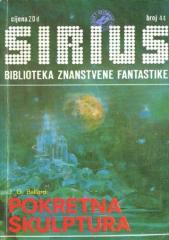
Sirius #44: Biblioteka znanstvene fantastike
Sirius je bio hrvatski časopis za znanstvenu fantastiku. Osnivanje je predložio Damir Mikuličić 1976. U Siriusu su objavljeni radovi domaćih autora, kao i prijevodi inozemnih autora SF-a. Izlazio je od 1976. do 1989. godine.
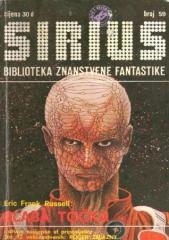
Sirius #59: Biblioteka znanstvene fantastike
Sirius je bio hrvatski časopis za znanstvenu fantastiku. Osnivanje je predložio Damir Mikuličić 1976. U Siriusu su objavljeni radovi domaćih autora, kao i prijevodi inozemnih autora SF-a. Izlazio je od 1976. do 1989. godine.
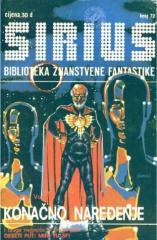
Sirius #72: Biblioteka znanstvene fantastike
Sirius je bio hrvatski časopis za znanstvenu fantastiku. Osnivanje je predložio Damir Mikuličić 1976. U Siriusu su objavljeni radovi domaćih autora, kao i prijevodi inozemnih autora SF-a. Izlazio je od 1976. do 1989. godine.