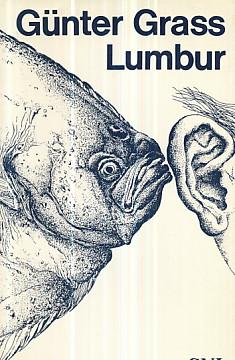
Lumbur
Through the character of the wondrous *lumbur* fish and the narrator, this monumental and richly textured novel explores the history of human diet, gender relations, and socio-political changes from prehistory to the present day.
The magical-realist novel The Flounder (Der Butt) by Nobel laureate Günter Grass is one of the author’s most ambitious and complex literary achievements. The plot intertwines mythology, history, culinary arts, and the battle of the sexes across several millennia, spanning from the Stone Age to 20th-century Germany. The work’s central motif is inspired by the famous Brothers Grimm fairy tale about the fisherman and his wife, yet Grass radically transforms the story. At the heart of the narrative lies the flounder—a colossal, talking fish and a symbol of ancient male wisdom that, over the centuries, counsels men on how to dominate women. The story follows a timeless narrator and nine cooks (matriarchal figures representing various historical eras), thereby illustrating the evolution of human society through food, cooking, and matriarchy. In the modern era, a tribunal of women ultimately puts the captured flounder on trial for centuries of inciting patriarchal oppression. Through a lavish style rich in grotesque humor, satire, and philosophical reflection, Grass constructs a fascinating chronicle of human civilization that examines gender roles, ecology, politics, and the very act of artistic creation.
Angeboten wird ein Exemplar