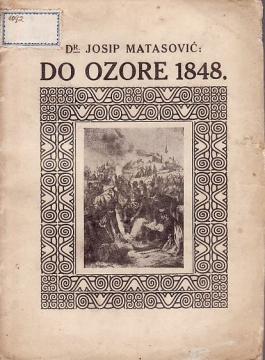
Do Ozore 1848.: Bojni pohod brodskih graničara
Ein Frühwerk des kroatischen Historikers und Archivars Josip Matasović, geschrieben, als er etwa 27 Jahre alt war. Das Buch ist eines seiner ersten veröffentlichten Werke und behandelt das militärhistorische Thema der Revolution von 1848/49 in Kroatien.
Nach Ozora 1848: Die Schlacht der Broder Grenzgarde ist ein frühes und relativ seltenes Werk des kroatischen Historikers und Archivars Josip Matasović (1892–1962). Das Buch schildert detailliert das Schicksal der Broder (slawonischen) Grenzgarde während des kroatischen Feldzugs gegen die ungarischen Revolutionskräfte im Herbst 1848.
Das Werk beginnt mit dem Kontext der Revolution von 1848/49, der Ernennung von Josip Jelačić zum Ban und der Mobilisierung der slawonischen Grenzgarde aus dem Gebiet um Brod, Vinkovci und Umgebung. Matasović rekonstruiert akribisch die Rekrutierung, Ausrüstung und den Marsch des Regiments durch Slawonien, Baranya und Südungarn bis nach Ozora (dem heutigen Ungarn). Besonderes Augenmerk legt er auf den Enthusiasmus der Grenzsoldaten, ihre Loyalität gegenüber Ban Jelačić und den kroatischen Nationalinteressen, aber auch auf die realen Probleme – mangelhafte Ausrüstung, fehlende Erfahrung, logistische Schwierigkeiten und die Altersstruktur der Einheit.
Den Höhepunkt des Buches bildet das Ereignis von Ozora am 11. September 1848, die sogenannte Kapitulation der kroatischen Streitkräfte. Matasović schildert diese Ereignisse aus kroatischer Perspektive anhand von Archivdokumenten, Berichten von Beteiligten und zeitgenössischen Zeitungen. Das Buch schließt mit einem Anhang – einer Streitschrift von Fran Kurelc gegen ungarische Anschuldigungen gegen kroatische Einheiten.
Der Stil ist typisch für die Entstehungszeit (unmittelbar nach dem Ersten Weltkrieg): patriotisch, klar und militärhistorisch präzise. Matasović, damals ein junger Wissenschaftler, beweist hier eine solide Quellenkenntnis, die er später in seinen kulturhistorischen Studien weiterentwickeln sollte. Das Werk ist ein wichtiger Beitrag zur Regionalgeschichte Slawoniens und zur Erforschung der Rolle der Militärgrenze im Jahr 1848.
Das Buch enthält sieben Abbildungen und eine Karte, die für die damalige Zeit eine solide Darstellung bot. Heute ist sie in antiquarischen Büchern selten und stellt eine wertvolle Quelle für Forscher der kroatischen Militärgeschichte des 19. Jahrhunderts dar.
Angeboten wird ein Exemplar