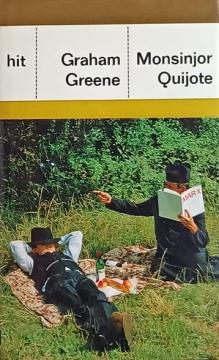
Monsinjor Quijote
Monsignore Quijote von Graham Greene ist ein humorvoller und philosophischer Roman über einen Dorfpfarrer und einen ehemaligen kommunistischen Bürgermeister, die durch Spanien reisen und über Religion, Politik und den Sinn des Lebens diskutieren.
Monsignore Quijote ist einer der bekanntesten späteren Romane des britischen Schriftstellers Graham Greene. Das Werk ist eine Art moderne Variation von Cervantes' Roman Don Quijote. Die Hauptfigur ist der einfache Dorfpfarrer Pater Quijote, der glaubt, ein entfernter Nachkomme des berühmten Ritters aus Cervantes' Werk zu sein. Nach einem Missverständnis in der Kirchenhierarchie erhält er unerwartet den Titel Monsignore, was in seiner Umgebung Neid und Spott hervorruft.
Sein engster Freund ist der ehemalige kommunistische Bürgermeister Sancha, den alle Sancho nennen – eine offensichtliche Anspielung auf Sancho Panza. Als beide in ihrer Umgebung unerwünscht werden, begeben sie sich in einem alten Seat, den Quijote nach dem Pferd von Cervantes' Helden Rocinante nennt, auf eine Reise.
Auf ihrer Reise durch spanische Dörfer und Städte begegnen sie den unterschiedlichsten Menschen und diskutieren unentwegt über Religion, Kommunismus, Bürgerkrieg, Liebe, Tod und die menschliche Natur. Monsignore Quijote verteidigt den christlichen Glauben, während Sancho marxistische Ideen vertritt, doch ihre Gespräche sind nicht feindselig. Im Gegenteil, sie basieren auf gegenseitigem Respekt und aufrichtiger Freundschaft.
Im Verlauf der Handlung weichen politische und religiöse Themen allmählich universellen Fragen nach Güte, Vergebung und dem Sinn des Lebens. Besonders bedeutsam sind die Momente, in denen beide erkennen, dass sie trotz ihrer ideologischen Differenzen durch dieselben menschlichen Bedürfnisse und moralischen Dilemmata verbunden sind.
Der Roman vereint Humor, Abenteuer und philosophische Auseinandersetzung. Durch die Figuren Quijote und Sancho erkundet Greene die Möglichkeit des Dialogs zwischen gegensätzlichen Weltanschauungen und zeigt, dass Freundschaft und Verständnis politische und religiöse Gräben überwinden können. Aus diesem Grund gilt Monsignore Quijote als einer seiner warmherzigsten und menschlichsten Romane.
Es werden zwei Exemplare angeboten