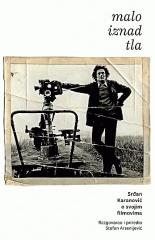
Berichte und Interviews
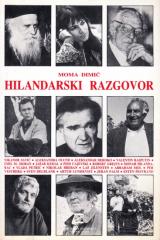
Hilandarski razgovor: 18 mojih savremenika
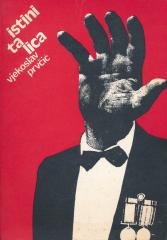
Istinita lica
Ein Buch mit Berichten, veröffentlicht in der Fabrikzeitung von Podravka in den siebziger Jahren. Prvčićs Gesprächspartner (mit hervorragenden Schwarz-Weiß-Fotoporträts) sind beispielsweise ein Toilettenwärter, eine Reinigungskraft, ein Fahrer, ein Vorkos
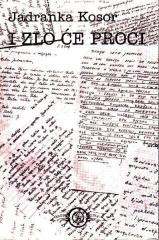
I zlo će proći
Das autobiografische und politische Buch enthält die intimen Reflexionen, Erfahrungen und Schriften des ehemaligen kroatischen Ministerpräsidenten über entscheidende historische Momente, politische Kämpfe, persönliche Stärke und Hoffnung in schwierigen Ze
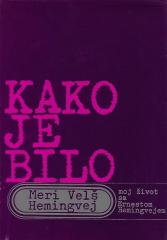
Kako je bilo, moj život sa Ernestom Hemingvejem
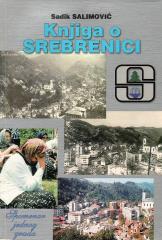
Knjiga o Srebrenici – spomenar jednog grada
Sadik Salimovićs Buch „Srebrenica“ (2002) ist eine Erinnerung an die Stadt: von der osmanischen Besiedlung über die Islamisierung und Entwicklung bis hin zum Kriegsleid von 1992–1995 und dem Völkermord. Es bewahrt die Identität und die Erinnerung an das L

Knjiga znanja : razgovori s velikim umovima našega vremena
Welch ein Glück, dass wir heute Zugang zu den wichtigsten Aufnahmen von Gesprächen mit André Gide, Henry James, Marcel Proust, Walt Whitman haben...
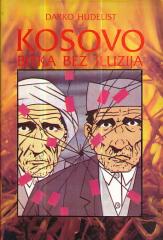
Kosovo – bitka bez iluzija
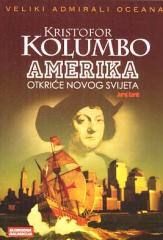
Kristofor Kolumbo i otkriće Amerike
Die Erstausgabe dieses Buches stammt aus dem Jahr 1892 (anlässlich des 400. Jahrestages der Entdeckung Amerikas durch Kolumbus), die zweite erschien 1980. Dies ist die dritte, sprachlich aktualisierte Ausgabe von Carićs Buch.
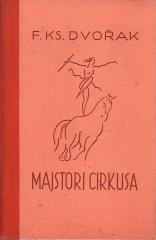
Majstori cirkusa: ljudi cirkusa pripoviedaju o svom životu