Ivo Andrić
Ivo Andrić (October 9, 1892 – March 13, 1975) was a Croatian-Bosnian-Serbian writer and the only winner of the Nobel Prize in Literature from the former Yugoslavia (1961). He was born in Travnik and educated in Sarajevo, Zagreb, Vienna and Kraków. During World War I he was a political prisoner for sympathizing with Yugoslav unity. After the war he began a diplomatic career, working in various European capitals.
Andrić is best known for his novels and short stories that deal with the history and destiny of Bosnia and its people, often set in the Ottoman and Austro-Hungarian context. His most famous works are "Na Drini ćuprija", "Travnička hronika" and "Gospođica", which together form a kind of trilogy about Bosnian history and mentality. "Na Drini ćuprija", an epic novel about the centuries-old history of the city of Višegrad and its bridge, won him the Nobel Prize.
His style is calmly reflective, historically informed, and deeply humanistic, and his themes are often marked by reflections on evil, fate, suffering, and historical cycles.
Andrić left behind a rich body of essays, short stories, and novels, and his work continues to occupy an important place in the literature of Southeast Europe.
Titles in our offer
Prokleta avlija
This work is considered to be Andrić's best composed work, precisely because of the narrative process in which he presented the story in a ring structure, i.e. in the work, the stories are told one inside the other. The characters are complex and layered,
Razgovor s Gojom / Mostovi / Znakovi pored puta: izbor - Conversation with Goya / Bridges / Signs by the Roadside: selection
Die zweisprachige Ausgabe von Dereta präsentiert ausgewählte Prosa- und Essaywerke von Ivo Andrić – Gespräch mit Goja, Brücken und Schilder am Wegesrand – in einer parallelen serbisch-englischen Fassung.
Sabrana djela IX: Deca - pripovetke
Diese Sammlung umfasst eine Reihe von Geschichten, die sich auf die Welt der Kinder, ihre Unschuld, Neugier, ihr Leiden und den Umgang mit den Grausamkeiten der Erwachsenenwelt konzentrieren.
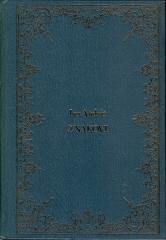
Sabrana djela IX: Znakovi - pripovetke
Diese Sammlung vereint eine Reihe von Andrićs kürzeren Werken, die sich mit menschlichen Schicksalen, historischen und sozialen Umständen sowie universellen Fragen der menschlichen Natur befassen.
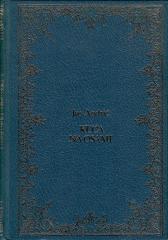
Sabrana djela XI: Kuća na osami i druge pripovetke
Die Auswahl an Kurzgeschichten in diesem Buch besteht aus zwei Teilen. Einer besteht aus einer eigenständigen Sammlung von Kurzgeschichten „Kuća na osami“, an der Andrić gegen Ende seines Lebens arbeitete, und der zweite Teil ist eine Sammlung von Kurzges
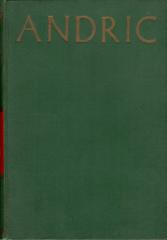
Sabrana djela X: Staze, lica, predeli
„Wege, Gesichter, Landschaften“ ist eine Sammlung von Essays und Schriften von Ivo Andrić, die erstmals 1963 veröffentlicht wurde. Dieses Werk unterscheidet sich von Andrićs Fiktion dadurch, dass es sich mit philosophischen, introspektiven und autobiograf
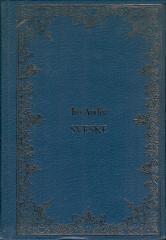
Sabrana djela XVII: Sveske
„Sveske” su posthumno objavljene beležnice Ive Andrića sačinjene od dvanaest originalnih svezaka i odvojenih listova. Donose njegove misli o književnosti, istoriji, umetnosti, čoveku i procesu stvaranja.
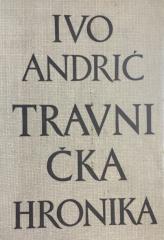
Travnička hronika: Konsulska vremena
"The Travnik Chronicle" (1945) is a historical story set in Travnik from 1807 to 1814, during the Napoleonic Wars and Ottoman rule in Bosnia. Written during World War II, it is modeled after the European realist novel.
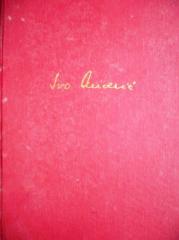
Travnička hronika : konzulska vremena
Travnička hronika (1945) is a historical novel written during the Second World War, modeled after the European realist novel.