Grigor Vitez
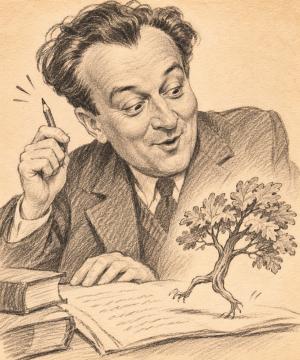
If trees could walk, shade would no longer have to stay where we found it. In Kad bi drveće hodalo (If Trees Could Walk), Grigor Vitez (1911–1966) changes one rule of the familiar world and lets the imagination explore the consequences. A similar twist drives Kako živi Antuntun (How Antuntun Lives). Its hero does everyday chores in his own way. The surprise is that everything he finds perfectly ordinary seems strange to everyone else.
Vitez was born in Kosovac near Okučani. He trained as a teacher in Pakrac and taught before the Second World War. After the war he worked at the Ministry of Education and later edited children’s books for the Zagreb publisher Mladost. He translated from Russian, French and Slovenian. He died in Zagreb.
Vitez began his literary career writing verse for adults. His collections include San boraca u zoru (1948), Naoružane ruže (1955) and Povjerenje životu (1957). His children’s poetry brought him his widest readership, from Prepelica (1956) and Sto vukova (1957) to Kad bi drveće hodalo (1959). Later books include Iza brda plava (1961), Hvatajte lopova (1964) and Gdje priče rastu (1965).
Vitez helped shape modern Croatian poetry for children. Rhythm and repetition keep readers in on the game right up to the last word. After a few episodes in the poem about Antuntun, you can almost guess how the next sentence will go. Its ending is precisely what catches you out. That makes the poem easy to remember and especially good to read aloud.
The Grigor Vitez Award, established in 1967, bears his name and honours writing and illustration in children’s books. Ratko Zvrko was among its first recipients for the text of Grga Čvarak.
Titles in our offer
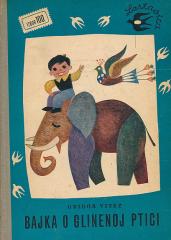
Bajka o glinenoj ptici
Zbirka donosi maštovite, duhovite i fantastične priče o djeci, životinjama i neobičnim događajima. Vitez spaja stvarnost i čudesno te kroz igru, humor i dječju maštu govori o slobodi, dobroti i odrastanju.
Republika 1950/2-3
Časopis za književnost i umjetnost
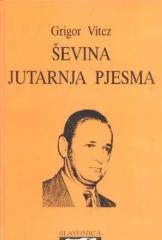
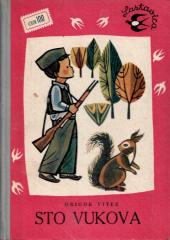
Sto vukova
Grigor Vitez (1911.–1966.), jedan od najvoljenijih hrvatskih pjesnika za djecu, objavio je 1957. godine zbirku "Sto vukova i druge pjesme za djecu", koja je brzo postala klasikom dječje književnosti.