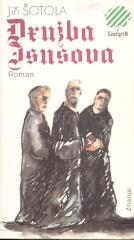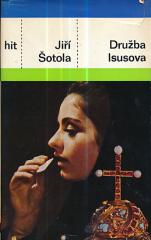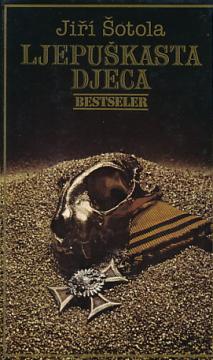
Ljepuškasta djeca
Der Roman „Schöne Kinder“ schildert die Welt jugendlicher Rebellen in einer „Umerziehungskolonie“ – einem als Schule getarnten Gefängnis. Im Geiste des Prager Frühlings geschrieben, kritisiert das Werk das kommunistische System durch eine dynamische, film
In den 1950er Jahren trifft eine Gruppe junger „Hübscher Kinder“ – Mädchen und Jungen, die wegen kleinerer Vergehen (Diebstahl, Ausreißen von zu Hause) verurteilt wurden – in einer Sonderanstalt auf dem tschechoslowakischen Land ein. Der Protagonist, ein Teenager mit Straßeninstinkten, trifft auf exzentrische Mitschüler: ein rebellisches Mädchen mit künstlerischen Träumen, einen Zyniker, der den „pädagogischen“ Unterricht verspottet, und einen stillen Träumer. Sie werden von einer bürokratischen Hierarchie beherrscht, von Aufsehern, die sie durch Paraden, Scheinwerkstätten und Moralpredigten über den Sozialismus auf Gehorsam „mästen“.
Der Alltag ist absurd: Morgengymnastik mit Wecker, „Umerziehungs“-Treffen, bei denen „Fehler“ gestanden werden, aber auch geheime Clubs, in denen die Kinder Geschichten von Freiheit austauschen. Ein Fluchtversuch eines der Jugendlichen löst eine Kettenreaktion aus – die Behörden (Polizei, Gerichte) schnappen die „Flüchtlinge“ unter falschen Anschuldigungen. Der Höhepunkt ist eine Rebellion: Die Kinder brennen die Baracken nieder und stellen sich der Gewalt des Systems entgegen. Der Roman endet offen – Freiheit für die einen, die Rückkehr in den Kreislauf für die anderen.
Das Gefängnis als Metapher für die Gesellschaft – ein „Gefängnis, das keins ist“ – erstickt die Individualität mit Bürokratie und Indoktrination. Gehorsamserziehung trifft auf die natürliche Rebellion der Jugend; ein sterbendes Regime windet sich unter absurden Gesetzen. Šotola vermischt Humor, Ironie und Tragik, ganz im Stil Kafkas: Die Wahrheit schmerzt, aber sie befreit. Das Werk feiert die Energie der Kinder im Kampf gegen die Maschinerie des Bösen und warnt vor den Gefahren des Fanatismus.
Außergewöhnlich dynamisch, ist es Liebhabern von Gesellschaftssatire wie Kundera oder den frühen Werken Hrabals zu empfehlen.
Two copies are available