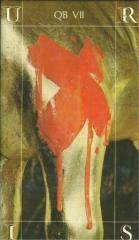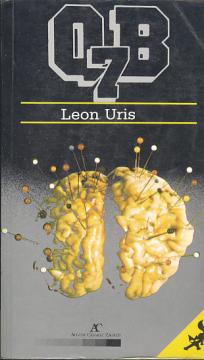
QB 7
Leon Uris, ein amerikanischer Schriftsteller jüdischer Herkunft, veröffentlichte 1970 den Roman „QB VII“ (The King's Bench, Courtroom No. 7), einen dramatischen Gerichtsthriller, der die Traumata des Holocaust, Schuld und Gerechtigkeit anhand einer Geschi
Die Geschichte entfaltet sich in vier Teilen. Der erste Teil folgt Abraham Cady, einem erfolgreichen Schriftsteller und Holocaust-Überlebenden, der entdeckt, dass seine Familie und eine Million Juden im NS-Konzentrationslager Jadwiga brutal ermordet wurden. Cady schreibt das Buch „Der Holocaust“, in dem er den berühmten englischen Chirurgen Sir Adam Kelno beschuldigt, ein sadistischer NS-Arzt im Lager gewesen zu sein. Kelno, ein polnischer Adliger, der nach Großbritannien emigriert war, soll unter der Leitung der SS grausame medizinische Experimente an Gefangenen durchgeführt haben, darunter Sterilisationen und Vivesecrationen.
Der zweite Teil enthüllt Kelnos Hintergrund: Geboren als Tadeusz Borkmann in Polen, überlebte Kelno im Konzentrationslager Jadwiga nur Mord und Hunger. Um sein Leben und das seiner Familie zu retten, war er gezwungen, schreckliche Taten zu begehen. Er behauptet, er habe versucht, die Gefangenen zu retten, doch Cadys Anschuldigungen zerstören ihn – er verliert Patienten, Freunde und seinen Ruf. Wütend verklagt Kelno Cady wegen Verleumdung vor einem britischen Gericht, dem Queen's Bench Courtroom VII (QB VII).
Der dritte Teil, das Herzstück des Romans, ist ein erbitterter Gerichtskampf in London. Cadys Anwalt, der skrupellose amerikanische Jurist Kirkland, bringt Zeugen des Holocaust ins Spiel: jüdische Überlebende, Partisanen und sogar Nazi-Dokumente. Die grausamen Wahrheiten über das Lager kommen ans Licht – Kelno war tatsächlich an den Verbrechen beteiligt, doch das Gericht muss beweisen, dass Cadys Buch gefälscht ist. Kelno verteidigt sich mit Würde, doch die Zeugenaussagen entlarven seine Fassade: Für die einen war er ein „Engel der Gnade“, für die anderen ein Dämon. Der Gerichtssaal wird zum Schauplatz des Aufeinandertreffens zweier Welten – der Opfer und der Angeklagten.
Im vierten Teil, nach dem Urteil, erhält Kelno lediglich einen halben Penny als Entschädigung – eine symbolische Strafe, denn seine Verbrechen sind so entsetzlich, dass das Buch seinem Ruf nicht weiter geschadet hat. Cady siegt moralisch, verliert aber Freunde und den Glauben an die Gerechtigkeit. Der Roman endet mit einer Reflexion über die unheilbaren Wunden des Krieges.
Uris verknüpft Geschichte, Psychologie und Spannung meisterhaft und lässt sich dabei von realen Ereignissen wie dem Eichmann-Prozess inspirieren. „QB VII“ ist nicht nur eine Geschichte über den Holocaust, sondern auch darüber, wie die Vergangenheit die Identität prägt und wie die Suche nach der Wahrheit um jeden Preis vorangetrieben wird.
One copy is available