Beowulf
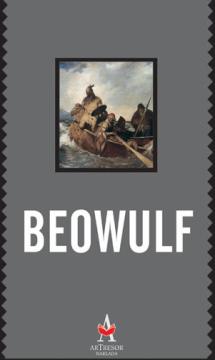
Beowulf, one of the greatest works of medieval literature, both Old English and European, is the oldest heroic poem composed in Western Europe after classical antiquity.
The work is by an unknown poet, written around the 8th century, preserved in a manuscript from the 10th century, and deals with events that probably took place in the early 6th century and in the southern Scandinavian world. The poem celebrates the legendary Geat hero Beowulf, nephew of King Hygelac (the Geats were a tribe in what is now southern Sweden), who comes to the aid of the Danish king Hrothgar, whose subjects are being mercilessly killed by the monster Grendel. Beowulf defeats Grendel, and soon Grendel's mother, who wants to avenge her son. After returning to his country, Beowulf becomes king of the Geats and rules happily for fifty years. In his old age, Beowulf clashes with a dragon that is ravaging his land, and in that conflict, although he manages to kill the dragon, he himself dies. Beowulf speaks both of man's inevitable destiny on this earth (the constant struggle against evil, in which in moments of greatest trial he is left to his own devices), and of man's vulnerability, fragility, or mortality, even though he is the greatest hero. This edition is the first translation of Beowulf into Croatian. The translation is made directly from Old English and respects, as much as possible, all the values of the original.
One copy is available