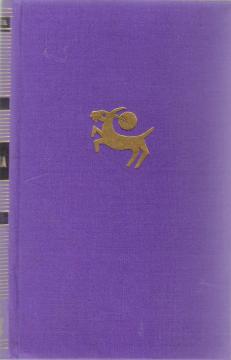
Ravnodušni ljudi
The novel follows the declining Roman bourgeois family of Ardengo over the course of several days: widow Mariagrazia, lover Leo, son Michele, and daughter Carla – all trapped in apathy, lies, sexual manipulation, and moral indifference.
Indifferent People is the debut novel by Alberto Moravia, published in 1929, which became an immediate sensation and is considered one of the key works of the Italian 20th century and a precursor of existentialism and neorealism.
The action takes place in Rome, in the house of the Ardengo family, over the course of just a few days (usually two or three). The family is on the verge of financial collapse – the house is mortgaged, the property is falling apart. The widow Mariagrazia, still attractive but already in her years, maintains a long-term relationship with Leo, a cynical, materialistic and immoral man who was once the lover of the family friend Lisa. Leo now loses interest in Mariagrazia and begins to seduce her daughter Carla, a 24-year-old girl who feels trapped in a boring, empty life and dreams of a "new beginning" – so she agrees to sleep with Leo on her birthday in order to "change something".
Michele, the son of the family, an idealist and intellectual, is aware of the whole filth of the situation – his mother’s humiliating relationship, Leo’s manipulation, his sister’s decisions – but he is paralyzed by indifference and inability to act. His furious monologues and attempts at a “heroic” act (e.g. confronting Leo or trying to seduce Lisa) end in absurdity and impotence. All the characters are “indifferent”: they do not feel true love, hatred, shame or remorse – they only mechanically go through false gestures, sexual games and material calculations.
Moravia mercilessly dissects the ruin of the Italian bourgeois class during the rise of fascism: moral decay, the absence of authentic values, the dominance of money and sex as the only drivers. The novel is a critique of the bourgeoisie that has lost all vitality and capacity for rebellion or change. The style is dry, precise, with long introspective passages that show the characters’ inner emptiness.
Indifferent People announces the main motifs of Moravia's entire oeuvre: alienation, the impossibility of true communication, erotic obsession as an escape from emptiness, and existential apathy. The work influenced later European literature (Camus, Sartre) and remains a powerful portrait of the "time of indifference".
One copy is available