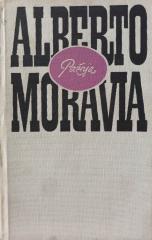
Pažnja
Frančesko Merigi vraća se u Rim nakon 9 godina u inostranstvu. Da bi napisao „autentičan“ roman, vodi dnevnik svog života sa suprugom i njihovom ćerkom Babe. Opsesivno analizira laži u vezama, iskušenje incesta i nemogućnost autentičn
Pažnja je eksperimentalni roman Alberta Moravije iz 1965. godine, napisan pet godina nakon Dosade, i predstavlja vrhunac njegove introspektivne, metafikcione faze. Struktura je složena: prolog (objašnjenje zašto piše dnevnik), glavni deo (sam dnevnik) i epilog (zaključak).
Protagonista Frančesko Merigi, novinar koji je proveo 9 godina u inostranstvu kao dopisnik, vraća se u Rim otuđen od svoje supruge Kore (bogate, manipulativne žene) i njene ćerke Bejb (mlade, senzualne devojke iz Korinog prvog braka). Frančesko želi da napiše roman koji bi bio „autentičan“ – ne lažan kao njegov dosadašnji život. Zato odlučuje da vodi dnevnik: beleži svaki dan, svaku misao, svaku interakciju, pokušavajući da uhvati stvarnost „u hodu“ i izbegne laganje.
Ali upravo ta „pažnja“ (attenzione) otkriva duboku neautentičnost: njegov brak sa Korom je hladan, pragmatičan, pun manipulacija i novca; Kora ga koristi, on je toleriše. Ključni motiv je incestuozna napetost prema Babe – Frančesko oseća privlačnost prema njoj, ali je istovremeno svestan zabrane i moralne laži. Analizira svaku misao, svaki pogled, svaki gest – pokušava da bude iskren prema sebi, ali shvata da čak i dnevnik postaje novi oblik laži: piše da bi opravdao sebe, da bi kontrolisao stvarnost.
Roman je meta-narativ: Frančesko piše roman unutar romana (dnevnik), a Moravija pokazuje nemogućnost istinske autentičnosti u savremenom životu – sve je performativno, zarobljeno u jeziku, društvenim ulogama i erotskoj opsesiji. Teme su: laži u braku, nemogućnost komunikacije, seksualna želja kao bekstvo od praznine, egzistencijalna kriza pisca koji ne može da „uhvati“ život.
Stil je introspektivan, analitički, sa dugim monolozima i ponavljanjima – tipičnim za Moravijevu kasniju fazu (pod uticajem Sartra, egzistencijalizma). Delo je manje erotski eksplicitno od njegovih ranijih romana, više filozofsko: o „pažnji“ kao alatu koji otkriva, ali i stvara laži. Kritičari ga vide kao prelazno delo – od društvene kritike ka dubokoj krizi identiteta i same književnosti.
One copy is available