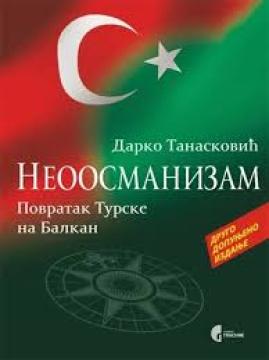
Neoosmanizam: Povratak Turske na Balkan
Tanasković analysiert den Neo-Osmanismus als eine politische und kulturelle Strategie der modernen Türkei, die darauf abzielt, den regionalen Einfluss durch das historische Erbe des Osmanischen Reiches zu stärken und dabei Diplomatie, Wirtschaft und Soft
Neo-Osmanismus von Darko Tanasković ist eine umfassende Analyse der Politik der heutigen Türkei, insbesondere seit dem Aufstieg der AKP und Recep Tayyip Erdoğans. Tanasković definiert Neo-Osmanismus als ein ideologisches und geopolitisches Projekt, mit dem die Türkei ihre Position als Zentralmacht im Gebiet des ehemaligen Osmanischen Reiches festigen will. Diese Strategie beschränkt sich nicht auf Nostalgie für die Vergangenheit, sondern formt konkrete politische, wirtschaftliche, kulturelle und religiöse Instrumente zur Ausweitung des Einflusses.
Der Autor untersucht, wie sich Neo-Osmanismus in aktiver Diplomatie, Handelsinvestitionen, Kulturinstitutionen, Serien und Medien manifestiert, aber auch in der Förderung religiöser Beziehungen durch die Diyanet. Besonderes Augenmerk legt er auf den Balkan, wo die Türkei die Rolle des Beschützers muslimischer Gemeinschaften und des Vermittlers in regionalen Konflikten anstrebt. Tanasković betont, dass der Neo-Osmanismus aus einer Mischung aus Identitätspolitik, strategischen Ambitionen und der Neudefinition des türkischen Nationalprojekts hervorgeht.
Das Buch warnt davor, dass sich hinter dem Deckmantel von „Frieden, Kooperation und gemeinsamem Erbe“ oft ein asymmetrisches Machtverhältnis und der Versuch, politische Prozesse in der Region zu beeinflussen, verbergen. Tanasković nähert sich dem Thema nicht emotional, sondern argumentativ und stützt sich dabei auf Geschichte, internationale Beziehungen und die Analyse türkischer Dokumente. Das Ergebnis ist eine klare und kritische Studie eines Phänomens, das Südosteuropa und die Weltpolitik maßgeblich prägt.
One copy is available