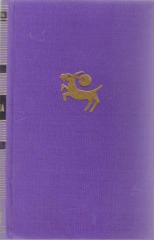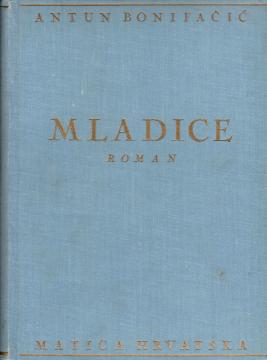
Mladice
Roman Mladice (1938) prikazuje život i duhovni rast mlade generacije Hrvata u međuratnom periodu – njihove ideale, unutrašnje sukobe, ljubav, nacionalno buđenje i potragu za smislom u turbulentnim vremenima.
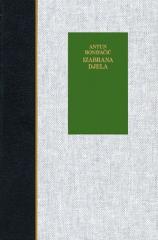
Antun Bonifačić (1901–1986), pisac, esejista, profesor i političar, objavio je roman Mladice 1938. godine, u izdanju Matice hrvatske u Zagrebu. Delo predstavlja jedno od njegovih najznačajnijih proznih dela pre Drugog svetskog rata.
Roman pripada socijalno-psihološkom proznom žanru sa naglašenim nacionalnim i generacijskim temama. Kroz sudbine mladih intelektualaca i studenata, Bonifačić prikazuje duhovno i nacionalno buđenje hrvatske omladine 1930-ih. Delo istražuje sukob između tradicije i modernosti, lični identitet, ljubavne veze, ideološke podele i želju za autentičnim životom u vremenu političkih napetosti u Kraljevini Jugoslaviji.
Stil je dinamičan, analitičan i intelektualan, sa snažnim lirskim pasažima. Bonifačić, kao odličan stilista, vešto kombinuje introspekciju likova sa širim društvenim kontekstom. Roman odiše optimizmom mladosti, ali i svešću o teškoćama kroz koje prolazi hrvatski narod. Kritika ga je pozitivno prihvatila, a drugo, prošireno izdanje objavljeno je 1943. godine.
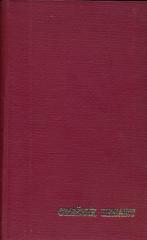
Mladice se smatraju važnim delom hrvatske međuratne književnosti, koje izražava duh generacije rođene početkom 20. veka. Posle rata, Bonifačić je emigrirao (živeo je u SAD), a njegovo delo je delimično zapostavljeno u domovini. Danas se roman ceni kao autentičan prikaz hrvatske intelektualne omladine uoči velikih istorijskih preokreta i kao retko antikvarno izdanje Matice hrvatske.
Jedan primjerak je u ponudi