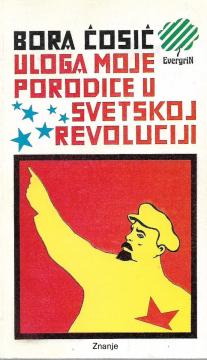
Uloga moje porodice u svetskoj revoluciji
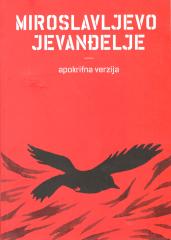
Der Junge Bora erzählt die Geschichte einer chaotischen Familie in Belgrad während des Krieges und der Nachkriegsrevolution. Mutter, Vater, Großvater, Onkel und Tanten leben einen absurden Alltag voller Lachen, Chaos und Ironie, während die „Weltrevolutio
Die Rolle meiner Familie in der Weltrevolution von Bora Ćosić (1969) ist ein kurzer Roman, Gewinner des NIN-Preises und eines der wichtigsten Werke der serbischen (und jugoslawischen) Literatur der zweiten Hälfte des 20. Jahrhunderts. Er ist aus der Perspektive des Jungen Bora geschrieben und bietet eine naive, einfache, fast tagebuchartige Erzählung, die die Absurdität bedeutender historischer Ereignisse meisterhaft offenbart.
Die Handlung folgt dem Leben einer großen, dysfunktionalen Belgrader Familie während des Zweiten Weltkriegs und unmittelbar danach, während der Etablierung des Sozialismus. Die Hauptfiguren sind: eine paranoide und unorganisierte Mutter, ein alkoholkranker Vater, der keine Arbeit behalten kann, ein Großvater, der alles bezweifelt, ein Onkel (ein Transvestit), zwei Tanten, die von Hollywoodstars besessen sind, und der Erzähler – der Junge Bora. Die Familie lebt im ständigen Chaos: Sie reden, streiten, rezitieren, zeichnen, essen, weinen und träumen unaufhörlich. Krieg und Besatzung sind für sie fast nebensächlich – Familienrituale und Kleinigkeiten sind wichtiger.
Ćosić nutzt auf geniale Weise Humor und Absurdität, um große historische Ereignisse zu kritisieren und zu entmystifizieren. Die Revolution dringt durch die Partisanen und die neuen Machthaber, die die Wohnung besetzen, ins Haus ein, predigen Gleichheit, bringen aber neue Bürokratie, Ungerechtigkeit und Heuchelei mit sich. Die Sätze sind kurz, naiv, wie Kindersätze, aber perfekt geschliffen – jeder einzelne trägt eine vielschichtige Bedeutung. Das Lachen ist befreiend, subversiv und bitter; am Ende erkennt der Junge, dass alles so oder sogar noch schlimmer war.
Das Buch ist ein autobiografisches Familienepos, aber auch eine scharfe Satire auf die kommunistische Revolution, die Mythen um die Partisanen und die neue Gesellschaftsordnung. Es zeigt, wie Ideologie in den Alltag eindringt, Beziehungen verändert und gewöhnliche Menschen zu Akteuren in einem großen Theaterstück macht. Der Stil ist innovativ, modern, voller Ironie, eine Bestandsaufnahme von Gegenständen, Sprache und dem Wahnsinn jener Zeit.
Der Roman wurde zweimal in Atelje 212 dramatisiert, und es entstand der Film Bate Čengić (1971), der bald verboten wurde. Heute gilt er als Pflichtlektüre zum Verständnis des jugoslawischen 20. Jahrhunderts – geistreich, schmerzhaft und zutiefst menschlich. Man kann ihn auf jeder beliebigen Seite lesen und er zaubert stets ein Lächeln ins Gesicht und weckt Erinnerungen.
Two copies are available