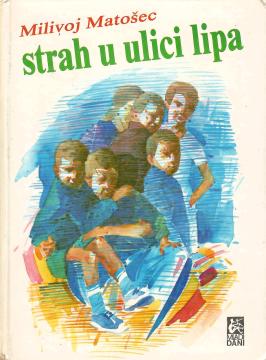
Strah u Ulici lipa
In Fear in Linden Street (1968) by Milivoj Matošec, the arrival of the boy Mungos instills fear among the children, but it is gradually revealed that loneliness and a desire for acceptance are hidden behind his rudeness.
At first, everything is ordinary in Linden Street: the children gather, talk, and spend the day as they have many times before. Then Mungos appears among them, an unknown boy who already causes unrest with his arrival. He does not try to make friends slowly or naturally, but immediately acts rudely, threateningly, and as if he wants to show everyone that they must be afraid of him. The group does not accept him because he wants to, but because he feels cornered.
As time goes by, Mungos increasingly controls the others. The children follow him more out of fear than out of trust, and the ordinary places where they play begin to seem anxious and unsafe. The old house and the basement further intensify the feeling of tension, as if the entire street is slowly turning into a space where nothing is harmless anymore.
But the story does not stop there with fear. Underneath Mungos' rudeness, something else gradually emerges: loneliness, hurt, and a great need for someone to accept him. Then the view of him changes. From the boy who instilled fear in everyone, he becomes someone who really does not know how to get attention in any other way. That's why this story is not just about one bully, but also about children who gradually realize that behind bad behavior sometimes lies a sad and insecure person.
One copy is available
- Library stamp