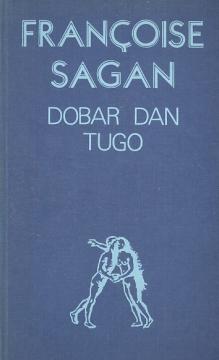
Dobar dan tugo
Seventeen-year-old Cécile schemes to break off her father's engagement to the serious Anne in order to preserve their comfortable lifestyle, but her dangerous game ends in an unexpected tragedy.
The celebrated debut novel Bonjour Tristesse (1954) brought fame to the then-eighteen-year-old Françoise Sagan and became a cult classic of modern French literature. Set on the sun-drenched French Riviera, the novel portrays a clash between carefree hedonism and moral responsibility. Young Cécile spends the summer by the sea with her father, Raymond—a charming, superficial widower who frequently changes young mistresses. Their leisurely, carefree existence—filled with sunbathing, parties, and Cécile’s first summer romance—is abruptly interrupted by the arrival of Anne, a sophisticated, intelligent, and stern friend of Cécile’s late mother. When Raymond and Anne become engaged, Anne introduces order, discipline, and high moral standards to the family, thereby threatening the freedom father and daughter had previously enjoyed. Fearing the loss of both her father and her own independence, Cécile devises a calculated scheme to drive them apart, enlisting the help of her father’s former mistress and her own boyfriend, Cyril. However, what she envisioned as a harmless game soon spirals out of control, leading to a tragic outcome. With masterful skill and a touch of refined melancholy, Sagan depicts the transition from childish selfishness to a mature realization of guilt and inescapable sorrow.
One copy is available