Antique books
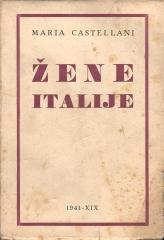
Žene Italije
An overview of the history and position of Italian women from antiquity to Mussolini's fascist Italy, with an emphasis on their contribution to society and culture. A popular educational publication from the period of the Independent State of Croatia, wit
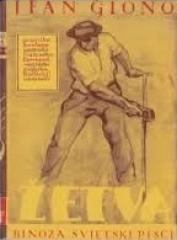
Žetva
In the abandoned Provençal village of Aubignane lives the recluse Panturle. The arrival of young Arsula changes his life and gradually brings life back to the village that was doomed to disappear. With a foreword by Josip Bogner.
Zgodovina novejšega slovenskega slovstva I: Od Pohlina do Prešerna
The first part of a two-part history of Slovenian literature from the early 20th century. A significant step in the formation of modern Slovenian literary historiography and an important source for the study of the Slovenian cultural revival in the 19th c
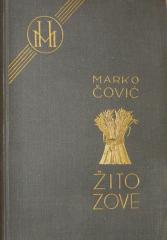
Žito zove
The Grain Calls (1941) is a collection of short stories and novellas by Marko Čović with Bunjevci-Šokac themes. It vividly and lyrically depicts the everyday life of the Croats of Bačka, their customs, work in the fields, love, suffering and longing for t
Život i djela Pavla Rittera Vitezovića
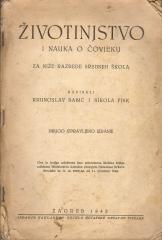
Životinjstvo i nauka o čovjeku
Textbook of zoology and anthropology for lower secondary school grades. Contains a systematic overview of the animal world and the basics of human science, richly illustrated (black and white and color images). A classic Croatian school manual from the pe

Život jednoga umjetnika - Maksim Gorki
"The Life of an Artist", by Ilya Gruzdev, is a biographical work that deals with the life and work of Maxim Gorky, one of the most important Russian writers and social reformers.
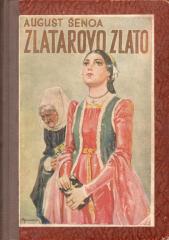
Zlatarovo zlato
The book 15 Collected Works of August Šenoa is the first Croatian historical novel, published in serial form in Vienac in 1871. The work is the foundation of Šenoa's era (proto-realism) and is one of the most widely read works of Croatian literature.
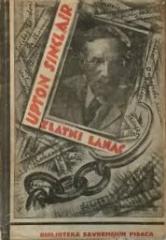
Zlatni lanac
Upton Sinclair sharply criticizes the relationship between art and capital throughout history. He shows how money and power have always influenced literature, painting, and music, and how great artists were often prisoners of the "golden chain."