History of literature • Croatian literature
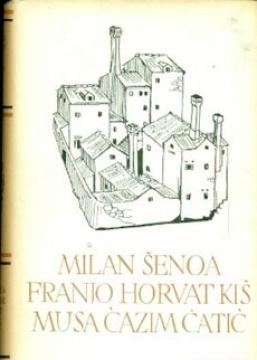
Pet stoljeća hrvatske književnosti: Milan Šenoa, Franjo Horvat Kiš, Musa Ćazimćatić
Five centuries of Croatian literature: Milan Šenoa, Franjo Horvat Kiš, Musa Ćazimćatić, volume 67. Stories, exodus - Stories, travelogues - Poems. Edited by Abdurahman Nametak and Miroslav Šicel.
Editor
Šime Vučetić
Dimensions
20 x 13.5 cm
Pages
524
Publisher
Zora, Matica hrvatska, Zagreb, 1966.
Latin alphabet. Hardcover with dust jacket.
Language: Croatian.
One copy is available
Condition:Used, good condition (visible signs of use)
A popular science book for young people about the history of writing, books, and printing — from prehistoric drawings to the modern printing press. A lively, accessible style by a Soviet author with illustrations by N. Lapshin.
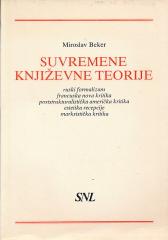
Miroslav Beker, Sonia Bićanić, Breda Kogoj-Kapetanić, Dora Maček, Ivan Matković, Matej Mužina, Iv...
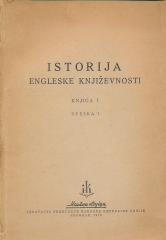
The book English Literature presents an overview of the development of English literature through the work of several authors. It covers key periods, writers, and stylistic trends, providing a systematic insight into the historical and aesthetic context.
Sveučilišna naklada Liber (SNL), 1986.
Croatian. Latin alphabet. Hardcover.
7.32 €
Literary criticism • History of literature • Literary Theory
The book by the author duo, a kind of romanticized guide through the life and work of Miroslav Krleža, was created using the method of "biographical syllogism and hypothetical factography" (Lasić's strategy).
Žmegač does not only talk about the visual arts, but about the "spirit" of the era that permeates literature: sensuality, the moment, subjectivity, decorativeness, eroticism, decadence, but also the crisis of identity in the fin-de-siècle atmosphere.
Zavod za znanost o književnosti Filozofskoga fakulteta, 1993.
Croatian. Latin alphabet. Paperback.
8.266.20 €
History of literature • Literary Theory • Theatre • Art history • Osijek and surroundings
The book provides a thorough chronicle and analysis of centuries-old theatrical contacts between two cities – Osijek and Pécs – which historically shared the cultural space of the Pannonian Plain, especially during the period of the Habsburg Monarchy.