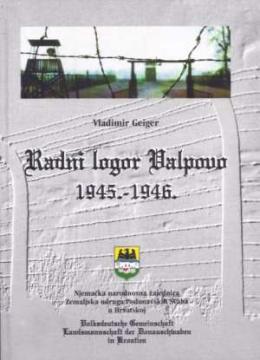
Radni logor Valpovo 1945.-1946.: dokumenti
The Valpovo labor camp (1945–1946) was the largest camp for Volksdeutschers in Croatia after World War II. About 4,000 Germans and Austrians were interned; at least 1,074 died, mostly from hunger, disease, and exhausting labor.
The Valpovo labor camp operated from May 1945 to May 1946 under the administration of the communist authorities of Yugoslavia (OZN and NOB). It was the largest camp for members of the German national minority (Volksdeutsche) in Croatia and one of the largest in all of Yugoslavia. Located on the premises of the Belje estate and surrounding buildings in Valpovo, the camp was officially intended for "re-education" and forced labor, but in practice it represented a form of collective punishment for the entire German community for collaborating with the Nazi regime during the war.
About 4,000 people were interned, mainly women, children, and elderly men (most able-bodied men had been mobilized or had fled). Camp inmates were forced to perform hard agricultural and other labor with minimal food, poor housing, and inadequate medical care. The result was mass deaths from hunger, typhus, dysentery and exhaustion – at least 1,074 deaths have been reliably documented (some say up to 1,600), and the bodies were mostly buried in mass graves in the Valpovo cemetery or in unmarked graves.
In his book Radni logor Valpovo 1945–1946: dokumenti, historian Vladimir Geiger collected and published archival material – lists of inmates, reports, orders, testimonies and photographs – providing thorough documentation of the conditions, structure of the camp and the number of victims. The book is a key source for studying the persecution of Danubian Swabians and other Volksdeutschers in post-war Yugoslavia, highlighting the systematic discrimination and tragic consequences of collective guilt.
One copy is available