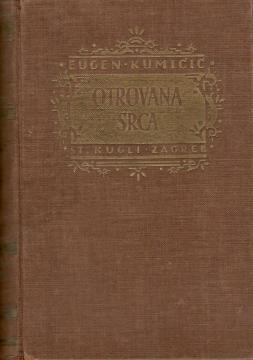
Otrovana srca / Pobijeljeni grobovi
Als einer der produktivsten kroatischen Realisten und frühen Naturalisten mit einer ausgeprägten rechtsgerichteten Ausrichtung vereint er in diesem Buch zwei Erzählungen aus dem bürgerlichen Milieu Zagrebs: Vergiftete Herzen (1890) und Geweißte Gräber (18
Der Verlag St. Kugli veröffentlichte zwei sozialkritische Erzählungen in den Gesammelten Werken (Band XI) von Eugen Kumičić (1850–1904): Vergiftete Herzen (1890) und Geweißte Gräber (1896). Beide gehören zu Kumičićs naturalistisch-realistischem Zyklus, der das bürgerliche Milieu Zagrebs thematisiert.
Vergiftete Herzen schildert Salonintrigen, falsche Lieben und Vernunftehen. Im Zentrum steht der Konflikt zwischen idealistischen, ehrlichen Charakteren und skrupellosen Individuen, die Betrug und Manipulation für sozialen Aufstieg und materiellen Gewinn einsetzen. Der Roman zeigt, wie fremde und degenerierte Elemente reine Herzen vergiften und die moralischen Werte der kroatischen Bürger zerstören.
Geweißte Gräber (der Titel ist der Bibel entlehnt – äußerlich schön, innerlich verfault) ist eine noch schärfere Kritik an der Heuchelei. Kumičić entlarvt scheinbar respektable Zagreber Familien und Einzelpersonen, die sich öffentlich patriotisch, gläubig und ehrlich geben, während sie im Privaten gierig, unmoralisch und korrupt sind. Das Werk schildert naturalistisch falsche Moral, Salonintrigen und den Niedergang des Bürgertums unter dem Einfluss ausländischer Interessen.
Beide Erzählungen tragen eine stark rechtsgerichtete Prägung: Kumičić sieht die Ursachen sozialer Missstände in der Germanisierung, der Magyarisierung, dem Opportunismus und dem Mangel an echtem Nationalgefühl. Die Figuren werden oft schematisch in positive (kroatische, idealistische) und negative (korrupte, fremde) eingeteilt. Der Stil ist dynamisch, handlungsreich, mitunter melodramatisch, mit naturalistischen Details des Alltags und psychologischen Porträts.
In der St.-Kugli-Ausgabe sind die Erzählungen illustriert und für ein breiteres Publikum bestimmt. Sie stellen neben Romanen wie Gospoda Sabina und Olga i Lina den Höhepunkt von Kumičićs Gesellschaftskritik dar. Heute gelten sie als wichtiges Dokument über die moralischen und sozialen Verhältnisse in Banska Croatia am Ende des 19. Jahrhunderts, obwohl sie von Kritikern häufig wegen ihrer Tendenz und der Schwarz-Weiß-Darstellung der Charaktere bemängelt werden.
One copy is available
- Die Abdeckung fehlt