Djela 2: Ogledi / Vidici i putevi
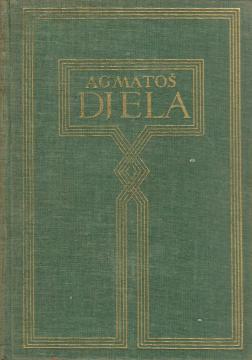
The second volume of the first critical edition of the Works of A. G. Matoš (1935–1940) - contains the essay collections Ogledi (1905) and Vidici i putevi (1907), studies, impressions and travelogues on literature, art and Europe.
The book Works 2: Ogledi / Vidici i putevi (1935, edited by Antun Barac) is the second volume in the 17-volume critical edition Works of A. G. Matoš (1935–1940). Like the first volume, the literary legacy was collected by Matoš's brother Milan Matoš, and Antun Barac edited the texts according to the same philological principles: comparison of variants, orthographic adaptation, short encyclopedic "Notes" on the genesis and previous publications, and a minimalist editorial approach.
This volume brings together two important essay books by Matoš from the period of his mature work:
- Ogledi: studije i impresije (1905, originally Zadar) — a collection of literary studies, criticism, and impressions.
- Views and Roads: Essays and Impressions (1907, Zagreb) — travelogues, essays and impressions with an emphasis on European travels and cultural impressions.
In these works, Matoš presents himself as a top essayist, critic and travel writer of Croatian modernity. He writes about European literary greats (Balzac, Baudelaire, Stendhal, Byron, Goethe, Heine, Novalis, etc.), French and world literature, symbolism, dandyism, art and social issues. His style is impressive, subjective, witty and polemical — a combination of erudition, lyricism, irony and sharp judgments. Views and Roads brings impressions from Paris, Geneva and other European centers, where Matoš lives as an emigrant and bohemian, as well as reflections on modernity, culture and Croatia's position in Europe.
Barč's edition makes these texts available in a standardized form and solidifies Matoš's status as a central figure of Croatian modernity — a bridge between tradition and avant-garde, domestic and European. The essays are not only literary criticism but also cultural diagnosis: Matoš advocates aesthetic autonomy, the modernization of Croatian literature, and opposes provincialism. His essay style influenced generations of later Croatian writers (Krleža and others).
In the context of the entire Barč edition, the second volume builds on the prose beginnings of Part 1 (Iverje and Novo iverje) and demonstrates Matoš's breadth: from short stories to profound essayistic and travel writing forms. This is essential reading for understanding Matoš's aesthetics, cosmopolitanism, and the role of the intellectual at the turn of the 19th and 20th centuries.
The 1935 edition is an important philological and cultural monument, although later editions (e.g. by the JAZU) have added additional texts and commentaries. Today it is valued as a foundation for the study of Matoš's restless, European-oriented spirit.
One copy is available