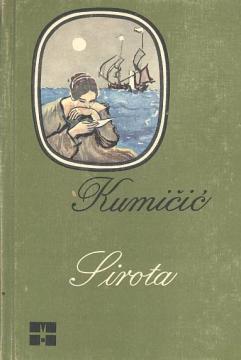
Sirota – roman iz istarskog života

Sirota – roman iz istarskog života

Eugen Kumičić

The naturalistic novel follows the tragic fate of the orphan Marica in Istria. Through difficult village life, moral temptations and injustice, the author shows the conflict between honesty and a callous environment.

"Sirota" (The Orphan Girl) is a novel by Eugen Kumičić published in 1885—subtitled "a novel of Istrian life"—in which the author returns to his native region to depict the harsh social and economic conditions of the Istrian countryside in the late 19th century. The central character is Marica, an orphan whose life becomes a ceaseless struggle for survival and dignity within a cruel and unjust environment. Through Marica’s tragic fate, Kumičić portrays the arduous life of the peasantry, as well as the moral degradation of individuals driven by poverty, greed, and injustice. The plot is propelled by village intrigues, abuse, and a conflict rooted in the contrast between Marica’s purity, honesty, and piety and the callousness and selfishness of those around her. As a leading figure of Croatian naturalism and realism, Kumičić faithfully depicts the Istrian landscape, customs, and social disparities in this work. He places particular emphasis on the national and social oppression faced by the Istrian peasantry. "Sirota" is a harrowing study of human suffering, injustice, and the exploitation of the vulnerable, yet it also stands as a powerful testament to resilience and the preservation of human dignity amidst the direst of life's circumstances.

Editor
Vlatko Pavletić
Dimensions
20 x 13 cm
Pages
378
Publisher
Matica hrvatska, Zagreb, 1965.
 
Latin alphabet. Hardcover.
Language: Croatian.

One copy is available

Condition:Used, excellent condition
 

Are you interested in another book? You can search the offer using our search engine or browse books by category.

You may also be interested in these titles

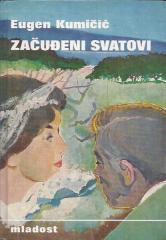
Začuđeni svatovi

Začuđeni svatovi

Eugen Kumičić
Mladost, 1979.
Croatian. Latin alphabet. Paperback.
2.98 - 2.99
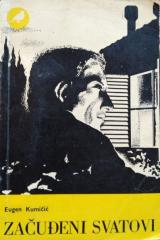
Začuđeni svatovi

Začuđeni svatovi

Eugen Kumičić
Zora, 1963.
Croatian. Latin alphabet. Paperback.
1.98
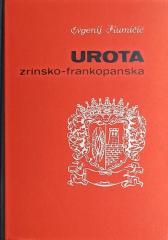
Urota Zrinsko-Frankopanska

Urota Zrinsko-Frankopanska

Eugen Kumičić

The novel "The Zrinjski-Frankopan Conspiracy" (1893) was the most widely read Croatian book for ten years, and, thanks to the interest of readers at the time in historical events, it had a huge influence on younger generations of readers.

Matica hrvatska, 1965.
Croatian. Latin alphabet. Hardcover.
8.56
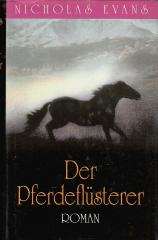
Der Pferdeflüsterer

Der Pferdeflüsterer

Nicholas Evans

After a serious accident involving a girl and her horse, their mother takes them to a healer in Montana. Nicholas Evans' emotional novel about trauma, love, a deep connection to nature, and the healing of the human soul.

Bertelsmann Lesering, 1995.
German. Latin alphabet. Hardcover with dust jacket.
8.46
Die Brüder Karamasow

Die Brüder Karamasow

Fjodor M. Dostojevski

The Brothers Karamazov is the last book by Russian writer Fyodor Mikhailovich Dostoevsky. Dostoevsky spent nearly two years writing The Brothers Karamazov, which was first published in serial form in the journal Russian Gazette, and was completed in late

Deutscher Bücherbund, 1976.
German. Latin alphabet. Hardcover with dust jacket.
8.54
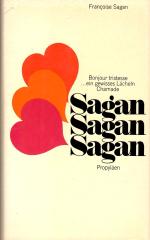
Bonjour tristesse / …ein gewisses Lächeln / Chamade

Bonjour tristesse / …ein gewisses Lächeln / Chamade

Françoise Sagan

In the novels "Bonjour tristesse", "...ein gewisses Lächeln" and "Chamade", Françoise Sagan explores complex relationships, love dilemmas and emotional conflicts, while depicting the anxiety and tragedy of youth.

Verlag Ullstein, 1970.
German. Latin alphabet. Hardcover with dust jacket.
8.62