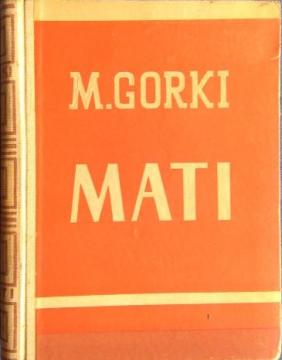
Mati
Maxim Gorky's novel "Mother" was published in 1906 and is one of the key works of Russian social realism. The work depicts the awakening of the working class in Russia through characters and events that emphasize social injustices and the need for revolut
The novel is set in a working-class neighborhood in an industrial suburb. The main character is Pelagija Nilovna Vlasova, widow of a worker and mother of a young man, Pavel Vlasov. Pelagia is portrayed as a humble, insecure and ignorant woman who leads a life full of suffering, enduring the poverty and rudeness of her late husband. However, her life changes when her son Pavel begins to participate in the revolutionary movement.
Pavel connects with a group of workers who organize secret meetings and spread revolutionary literature among the workers. Pelagia, although at first confused and worried about Paul's activities, gradually becomes aware of the social injustices affecting the workers. Through interacting with revolutionaries and witnessing injustices, she begins to understand the ideas that Pavel and his comrades advocate.
As the story progresses, Pelagia takes an increasingly active role in revolutionary activities. Her role as "mother" symbolizes a motherly attitude towards the entire labor movement. She becomes a messenger who transmits forbidden literature and participates in the organization of workers' meetings, risking her own life.
The novel culminates with Pavlo's arrest during a protest. Despite the loss of her son, Pelagia continues to fight, symbolizing the unwavering spirit of the revolution. Through her character, Gorky shows the transformation of an ordinary woman into a strong and determined revolutionary, emphasizing the power of change and solidarity among workers.
"Mati" is one of the most important works that shaped the literature of social realism and remains a powerful representation of the struggle for justice and human rights.
One copy is available
- The cover is missing