Svinjarija / Krokodil / Kockar / Vječiti muž
All the works published in this volume reflect Dostoevsky's ability to expose human frailties, social flaws and moral dilemmas through humor, satire and psychological depth, often with universal themes that still resonate today.
The Swine Flu (1862, Skvernyj anekdot) is a satirical story about Ivan Ilyich, a high-ranking official who, wanting to show his liberality, visits his subordinate's wedding unannounced. His arrival causes discomfort, and his drunkenness and clumsy attempts at socializing lead to humiliation. Dostoevsky ridicules hypocrisy, social pretensions, and the class divide, with a bitter portrayal of human vanity.
The Crocodile (1865, Krokodil) is a grotesque satire in which the official Ivan Matveyich is swallowed by a crocodile on display in St. Petersburg. Ivan, alive in the crocodile's belly, plans reforms and enjoys the attention, while his friend and wife debate his fate. Dostoevsky criticizes the superficiality of society, sensationalism, and Western utilitarianism, using the absurd to denounce spiritual emptiness.
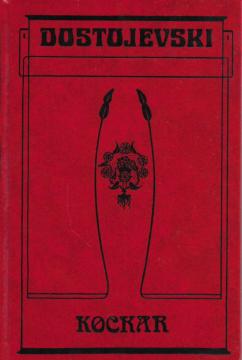
The Gambler (1866, Igrok) is a novella about Alexei Ivanovich, a young teacher obsessed with gambling in the German spa of Roulettenburg. In love with Polina, he desperately tries to win wealth in order to win her, but sinks into addiction. The novel, written in just 26 days, explores the psychology of addiction, destructive passion, and social ambition. Through Alexei's obsession, Dostoevsky depicts self-destruction and loss of morality.
The Eternal Husband (1870, Večnyj muž) is a psychological novella about Velchaninov, a lonely aristocrat, who is visited by Trusotsky, the widower of his former lover. Trusotsky, aware of the adultery, manipulates Velchaninov's guilt, while their dynamic becomes complicated around Trusotsky's daughter. The work explores jealousy, guilt, and complex relationships, with an emphasis on the moral consequences of past sins.
Two copies are available