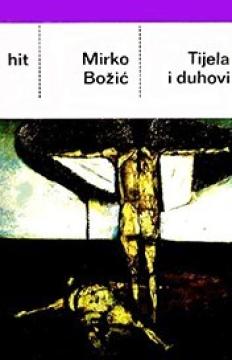
Tijela i duhovi

Tijela i duhovi

Mirko Božić

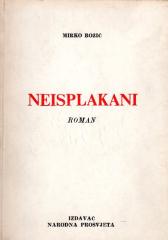
Bodies and spirits is the third part of the Kurlan trilogy by Mirko Božić, published in 1981, which follows the novels Kurlani (1952) and Neisplakani (1955).

The novel is set in the rural environment of the Dalmatian Zagora, where the author explores the coexistence of the physical and spiritual, tradition and change, and the conflict between the past and the present through the destinies of the characters.

Božić's style is characterized by rich, juicy and auditorily expressive language, with frequent use of onomatopoeia and rhythmic repetitions, which contributes to the vividness of the storytelling. His characters are often depicted as synecdoches of their own families or communities, and the carnival in "Kurlani" serves as a metaphor for human licentiousness.

Through the complex relationships between the characters and their internal struggles, the author depicts universal themes such as love, hate, revenge and reconciliation, providing a deep insight into human nature and the social norms that shape the lives of individuals.

Editor
Zlatko Crnković
Titelseite
Alfred Pal
Maße
19,5 x 12 cm
Seitenzahl
372
Verlag
Znanje, Zagreb, 1981.
 
Latein Schrift. Fester Einband mit Schutzumschlag.
Sprache: Kroatisch.

Angeboten wird ein Exemplar

Zustand:Ungebraucht
Zum Warenkorb hinzugefügt!
 

Interessieren Sie sich für ein anderes Buch? Sie können das Angebot über unsere Suchmaschine suchen und finden oder Bücher nach Kategorien durchsuchen.

Diese Titel könnten Sie auch interessieren

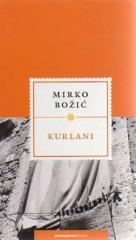
Kurlani: Gornji i Donji

Kurlani: Gornji i Donji

Mirko Božić

A post-war novel, the so-called native prose, published in 1952, a revised version dates from 1956, the first part of the "Kurlan trilogy" (followed by "Neisplakani", 1955 and "Tijela i duhovi", 1981) by the Croatian playwright, short story writer and nov

Večernji list, 2004.
Kroatisch. Latein Schrift. Fester Einband mit Schutzumschlag.
2,48 - 2,76
Slavuji i šišmiši

Slavuji i šišmiši

Mirko Božić

Nachtigallen und Fledermäuse (1990), der letzte Roman von Mirko Božić, spielt im städtischen Umfeld des Rijeka-Theaters in den frühen Nachkriegsjahren. Dieser „Roman mit Schlüssel“ erinnert auf subtile Weise an reale Figuren wie Miroslav Krleža und Vladim

Znanje, 1990.
Kroatisch. Latein Schrift. Fester Einband mit Schutzumschlag.
5,42
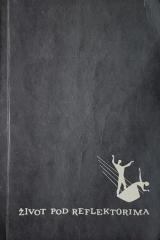
Život pod reflektorima: 7 suvremenih drama i komedija

Život pod reflektorima: 7 suvremenih drama i komedija

Mirko Božić, Pero Budak, Vladan Desnica, Fadil Hadžić, Ivica Ivanac, Marijan Matković, Duško Roks...
NIP, 1961.
Kroatisch. Latein Schrift. Fester Einband mit Schutzumschlag.
11,99
Gorski vijenac

Gorski vijenac

Petar II Petrović Njegoš

Njegoš in Gorski vijenc besingt die „Untersuchung der Poturica“, ein Ereignis, das angeblich Ende des 17. Jahrhunderts in Montenegro stattfand, über das es in der Geschichtswissenschaft jedoch keine verlässlichen Informationen gibt.

Školska knjiga, 1974.
Kroatisch. Latein Schrift. Taschenbuch.
3,98
Kuća u kojoj stanuje vrag

Kuća u kojoj stanuje vrag

Goran Tribuson

Tribuson u Kući u kojoj stanuje vrag tematizira i vrijeme nove neimaštine, suludih dosjetki na putu prema zaradi, kamatarenja, ljubomora, osveta, štrajkova, ubojstava.

Znanje, 2006.
Kroatisch. Latein Schrift. Taschenbuch.
7,87
Doktor Dulitl - Karavan

Doktor Dulitl - Karavan

Hugh Lofting

Cirkus Doktora Dolittlea prolazi kroz teško razdoblje te je doktor u potrazi za novom životinjom koja bi oživjela Cirkusku arenu. S ilustracijama Hugha Loftinga.

Dečje novine, 1981.
Serbisch. Latein Schrift. Fester Einband mit Schutzumschlag.
7,42