Filozofija
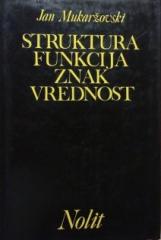
Struktura, funkcija, znak, vrednost : ogledi iz estetike i poetike
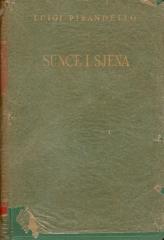
Sunce i sjena
Pirandellovo esejističko-refleksivno djelo “Sunce i sjena” istražuje krhkost identiteta i razliku između onoga što jesmo i onoga što drugi vide, prikazujući čovjeka rastrganog između unutarnje istine i društvenih maski.
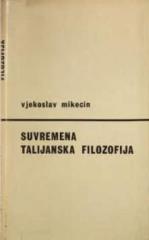
Suvremena talijanska filozofija
Vjekoslav Mikecin u knjizi Suvremena talijanska filozofija (1966.) daje pregled talijanske misli 20. stoljeća, s naglaskom na marksističke, idealističke i egzistencijalističke struje nakon Crocea i Gentilea.
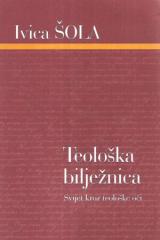
Teološka bilježnica - Svijet kroz teološke oči
Knjiga je opsežan publicistički uradak u formi eseja u kojima se društveni, religijski, politički i medijski fenomeni čitaju na način teološke hermeneutike, kroz prizmu teološkog oka. Sastavljena je od pet poglavlja.
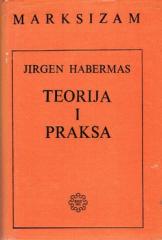
Teorija i praksa: socijalnofilozofske studije
Jedan od ključnih tekstova u društvenoj teoriji. U ovoj knjizi, Habermas se bavi pitanjima teorijske i praktične razlike, naglašavajući važnost komunikacije u oblikovanju društvene stvarnosti.
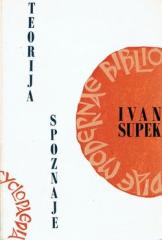
Teorija spoznaje
Knjiga je jedno od ključnih filozofskih djela Ivana Supeka, u kojem on izlaže svoju originalnu epistemološku poziciju temeljenu na sintezi prirodnih znanosti i humanizma.
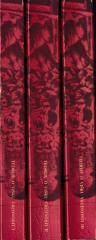
Teorije o višku vrednosti

Filozofija
- Analitička filozofija
- Antička filozofija
- Egzistencijalizam
- Empirizam
- Estetika
- Etika
- Fenomenologija
- Filozofija duha
- Filozofija jezika
- Filozofija povijesti
- Filozofija prava
- Filozofija religije
- Filozofija umjetnosti
- Filozofija znanosti
- Filozofije istoka
- Filozofije XIX stoljeća
- Filozofije XX stoljeća
- Filozofska metodologija
- Filozofski eseji
- Hermeneutika
- Hrvatska filozofija
- Logika
- Marksizam
- Moralna filozofija
- Njemačka klasična filozofija
- Ontologija
- Politička filozofija
- Postmoderna
- Povijest filozofije
- Praktična filozofija
- Prosvjetiteljstvo
- Renesansa
- Retorika
- Spoznajna teorija
- Srednjevjekovna filozofija
- Suvremena filozofijia
- Uvod u filozofiju