Erich Fromm
Erich Fromm (1900–1980) war ein deutsch-amerikanischer Sozialpsychologe, Psychoanalytiker, Philosoph und humanistischer Denker. Er wurde in Frankfurt als Kind einer jüdischen Familie geboren und studierte Soziologie, Psychologie und Philosophie in Heidelberg. Er war der Frankfurter Schule der Kritischen Theorie verbunden und engagierte sich intensiv für die Verbindung der Psychoanalyse mit der Sozialtheorie und der humanistischen Ethik.
Fromm glaubte, dass die menschliche Psychologie nicht ohne den Kontext der Gesellschaft verstanden werden könne, in der eine Person lebt. Sein berühmtestes Werk „Flucht aus der Freiheit“ (1941) analysiert, wie sich Einzelpersonen in der modernen Gesellschaft autoritären Ideologien zugewandt haben, um der Last der persönlichen Freiheit zu entgehen. In seinen Werken „Die Kunst der Liebe“, „Gesunde Gesellschaft“ und „Haben oder Sein“ vertritt er die Ideen echter Liebe, individueller Reife und ethischen Humanismus.
Für Fromm bestand das Ideal in einer gesellschaftlichen Transformation, die die Entwicklung des Menschen als freies, kreatives und verantwortungsbewusstes Wesen ermöglicht. Er war auch im politischen Leben aktiv und setzte sich für Frieden, Besonnenheit und demokratischen Sozialismus ein. Nach der Machtübernahme der Nationalsozialisten emigrierte er in die USA, wo er seine akademische und therapeutische Karriere fortsetzte.
Er starb 1980 in der Schweiz und hinterließ tiefe Spuren in der humanistischen Psychologie und Sozialphilosophie.
Naslovi u ponudi
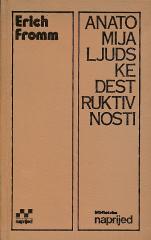
Anatomija ljudske destruktivnosti
In einer Welt, in der die Gewalt in ihren verschiedenen Formen ständig zunimmt, behandelt Erich Fromm dieses Problem in einem seiner bedeutendsten Bücher auf äußerst aufschlussreiche Weise.
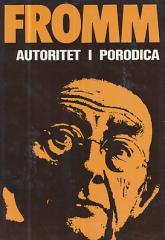
Autoritet i porodica
U "Autoritetu i porodici" Erih From analizira transformaciju autoriteta i porodice u savremenom društvu. Predgovor je napisao Gvozden Flego, a knjiga sadrži i studiju „Revolucionarni karakter”.
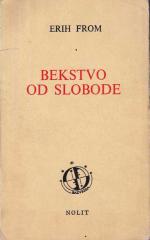
Bekstvo od slobode
Erich Fromms ikonische psychoanalytische Studie untersucht, warum der moderne Mensch, nachdem er sich von traditionellen Zwängen befreit hat, auf der Suche nach Sicherheit oft zu totalitären Ideologien zurückkehrt.
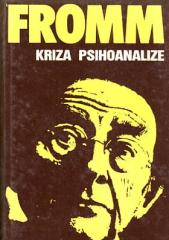
Kriza psihoanalize - Analitička socijalna psihologija i društvena teorija
In dem Buch übt Fromm scharfe Kritik an der zeitgenössischen Psychoanalyse. Er glaubt, dass sich die Psychoanalyse von Freuds ursprünglicher revolutionärer Vision entfernt und sich in ein technisches, oft steriles System verwandelt hat, das tiefere mensch
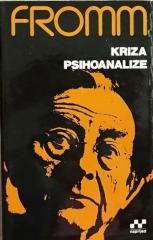
Kriza psihoanalize - Analitička socijalna psihologija i društvena teorija
Fromm developed as a critic of contemporary society under the influence of Marx, Freud and the Frankfurt circle. He stood out as an original critical interpreter of Freud's conceptions, which are his second basic inspiration.

Marksovo shvatanje čoveka
A philosophical and sociological study of Erich Fromm. The author reinterprets the thought of Karl Marx, emphasizing his neglected humanism, critique of alienation, and vision of liberation and full human development.
Revolucija nade: Za humanizaciju tehnike
Humanistička studija Ericha Fromma. Autor analizira opasnosti mehaniziranog društva te nudi viziju humanizacije tehnologije, povratak nadu, aktivni otpor otuđenju i vjeru u čovjekov potencijal.
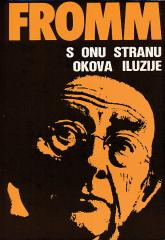
S onu stranu okova iluzije: Moj susret s Marxom i Freudom
U autobiografsko-filozofskom djelu "S onu stranu okova iluzije", Erich Fromm prikazuje vlastiti intelektualni razvoj kroz susret s idejama Karla Marxa i Sigmunda Freuda.
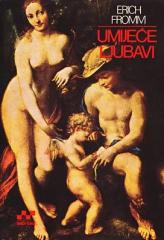
Umijeće ljubavi
Kultno djelo Ericha Fromma. Autor ljubav ne promatra kao puku emociju, već kao vještinu i umijeće koje zahtijeva znanje, napor, zrelost, samodisciplinu te stalan rad na vlastitome osobnom razvoju.
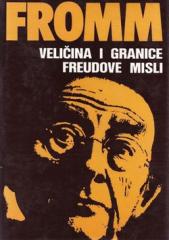
Veličina i granice Freudove misli
Erich Fromm u Veličini i granicama Freudove misli analizira Freudov doprinos razumijevanju čovjeka te kritički razotkriva ograničenja njegove teorije, osobito njezin biologistički i autoritarni aspekt.