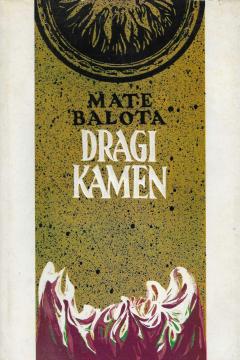
Dragi kamen
Jedina zbirka pesama Mija Mirkovića (pseudonim Mate Balota) na istarskom čakavskom dijalektu – lirika mora, kamena, patnje seljaka, vere i ljubavi prema Istri. Pesme slave more i narodni život, sa dubokim osećajem za sudbinu Istre.
Dragi kamen je jedina zbirka poezije Mate Balote (Mija Mirković, 1898–1963), objavljena 1938. u Zagrebu (Matica hrvatska), a kasnije više puta ponovo izdata (1947, 1972, 1988, istaknuta izdanja 2016. i 2023. godine). Naslov potiče od istoimene pesme iz 1931. godine, koja simbolizuje dragoceni, tvrdi istarski kamen – metaforu za otpornost, korene i lepotu rodnog kraja.
Zbirka sadrži tekstove napisane na raklanskom (istarskom) čakavskom dijalektu – jedan od najvažnijih doprinosa oživljavanju čakavske poezije u 20. veku. Pesme su tematski podeljene na svetovne i verske motive: ljubav prema Istri (kamen, more, masline, vinogradi, težak život seljaka i ribara), društvena patnja (siromaštvo, glad, emigracija), majka, vera (pesme za Veliku nedelju: Velika Srida, Muka Gospodnja, Veliki petak, Uskrs), erotska i egzistencijalna čežnja.
Balota piše jednostavno, ali duboko emotivno – koristi narodni jezik, ritam, ponavljanja i slike iz svakodnevnog života Istre. Njegova poezija nije formalistička, već iskrena, melanholična, ponekad patetična, ali uvek ukorenjena u zavičaju. Pesme poput „Dragi kamen“, „Koza“ (društvena tragedija jedne istarske porodice), „Moja mati“ ili „Pramaliće“ postale su antologijske i često se navode kao primeri čakavske lirike.
Zbirka je ključna za istarsku i hrvatsku književnost: označila je kontinuitet čakavske poezije nakon 19. veka (zajedno sa Mateom Marjanovićem i drugima), uticala je na kasnije autore (npr. Čakavsko veće, savremene istarske pesnike). Kasnija izdanja često imaju slikovne doprinose (crteži Josipa Diminića, fotografije ili ilustracije koje pojačavaju vizuelni utisak istarskog pejzaža – kamen, more, crvena zemlja).
Stil je realističan, narodni, sa elementima romantizma i socijalne lirike – Balota, i sam vredni radnik, ribar i mornar pre akademske karijere, piše iz autentičnog iskustva. Dragi kamen ostaje simbol istarskog identiteta: „svaki oštar kamen ti je drag“ – ljubav prema teškoj, ali dragoj domovini. U hrvatskoj književnosti vrednuje se kao vrhunac dijalekatske lirike, sa višestrukim reizdanjima i muzičkim adaptacijama.
Jedan primerak je u ponudi