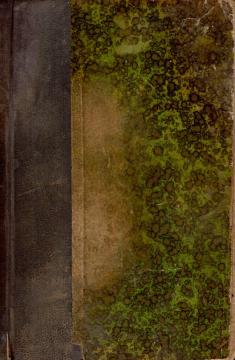
Ogledalo Ilirie I.-IV.
Prva kompletna istorija Hrvata i Slovena napisana živim hrvatskim narodnim jezikom. Monumentalno delo požeškog župnika Ivana Šveara, kulturni spomenik ilirskog preporoda i temelj moderne hrvatske istoriografije.
Zamislite da ste u prvoj polovini 19. veka. Hrvati polako počinju da bude svoju nacionalnu svest, ali još uvek nemaju svoju pravu istoriju napisanu na razumljivom, narodnom jeziku. Tada se pojavljuje ovaj sveštenik iz Požege, Ivan Švear – i kaže: Evo ogledala u kome ćete videti ko ste i odakle dolazite.
Tako je nastalo Ogledalo Ilirije – prva kompletna hrvatska istorija pisana živim hrvatskim jezikom, pre Račkog i Klaića.
Ivan Švear je bio seoski sveštenik iz Požeških Sesveta, rođen 1775. godine, umro 1839. godine. Celog života je sakupljao stare knjige, hronike i priče. Nije bio veliki učenjak sa univerziteta, već patriota koji je vatreno želeo da njegov narod upozna svoju prošlost. Nažalost, umro je pre nego što je delo ugledalo svetlost dana, pa ga je posthumno štampao u Zagrebu Franjo Supan između 1839. i 1842. godine.
Švear je odlučio da priču ispriča od samog početka – doslovno od biblijskog potopa pa sve do 1790. godine. I to u četiri obimna toma, ukupno više od 1140 stranica!
Prva knjiga nas vodi u najstarija vremena: Ilire, njihove ratove sa Rimljanima i Grcima, velika plemena i slavne junake. Švear ovde gradi temelj – nismo „došljaci“, već potomci starih Ilira.
Druga knjiga govori o dolasku Hrista, Rimskom carstvu, širenju hrišćanstva i velikim seobama naroda – Gota, Huna, Avara i konačno Slovena koji su došli na naše područje.
Treća knjiga (za mnoge najlepša) donosi zlatno doba hrvatske istorije: kneževe i kraljeve, od Trpimira i Tomislava do Zvonimira. Čita se kao pravi avanturistički roman – bitke, savezi, crkveni sabori, glagoljica…
Četvrta knjiga (najobimnija) vodi nas kroz zajedničku državu sa Ugarskom, tatarske i turske invazije, banove, plemiće, seljačke bune i život pod Habzburgovcima do kraja 18. veka.
Ogledalo Ilirije nije samo knjiga o prošlosti – to je knjiga koja je i sama postala važan deo naše prošlosti. To nije suva naučna istorija kakvu imamo danas, već romantična, ponosna i patriotska priča. Švear piše sa puno srca i vere da su Hrvati deo velike ilirsko-slovenske porodice. Njegov jezik je lako razumljiv, staromodan, ali razumljiv – baš ono što je bilo potrebno običnom čoveku tog vremena.
Danas se Ogledalo Ilirije smatra pravim biserom ilirskog preporoda i jednim od temelja moderne hrvatske istoriografije.
O ponuđenom primerku:
Knjiga je povezana u jedan veliki tom (kasniji povez, verovatno iz 19. ili početka 20. veka). Ovo praktično objedinjuje celo delo u jednu celinu, što je veoma pogodno za čitanje i čuvanje.
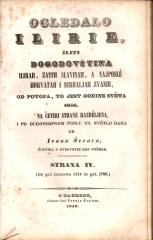
Ponuđeni primerak nije u kompletnom stanju. Prvi i četvrti tom („stranice“) nisu kompletni. Prvom tomu (Strana I.) nedostaje prvih 47 stranica (počinje na strani 48). Četvrti tom (Strana IV.) završava se na strani 478 (nedostaje od 479 do kraja, otprilike poslednjih 70 stranica).
Sačuvano je preko 900 stranica od ukupno oko 1140. Strana II. i Stranica III.**, koje obuhvataju najzanimljivije delove – rimsko doba, seobu naroda, naseljavanje Hrvata, vladavinu narodnih kneževa i kraljeva (Trpimir, Tomislav, Krešimir, Zvonimir) i srednjovekovnu i modernu istoriju do 18. veka. Stanje papira je zadovoljavajuće, tipično za knjige iz tog perioda – mestimično prirodno požutelo, ali je tekst jasan i čitljiv. Nema većih oštećenja na sačuvanim stranicama.
Čvrst i veoma upotrebljiv primerak ovog izuzetno retkog dela. Zahvaljujući povezu u jednom tomu, knjiga je kompaktna i pregledna. Idealna prilika za kolekcionare i ljubitelje hrvatske istorije koji žele originalno izdanje po pristupačnijoj ceni od kompletnog primerka.
Knjiga se sastoji od 4 toma.
Jedan višetomni primerak je u ponudi.
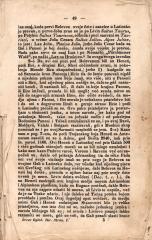
- Tragovi patine
- Nedostaju listovi
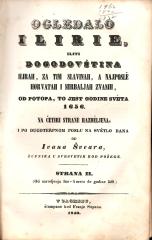
- Tragovi patine
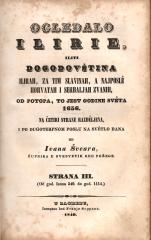
- Tragovi patine
- Tragovi patine
- Nedostaju listovi