Najnovije u ponudi

Mafija ne miruje
Uzbudljiv kriminalistički roman Leslija Volera u kojem se bankar Frenk Vuds ponovo suočava sa opasnim pipcima organizovanog kriminala koji ugrožavaju njegovu porodicu i profesionalni život.
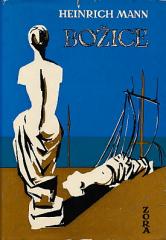
Božice
Raskošna trilogija Hajnriha Mana o životu ekscentrične vojvotkinje Viole fon Asi, koja strastveno teži slobodi, umetnosti, moći i apsolutnoj ljubavi tokom tri razdoblja svog života.
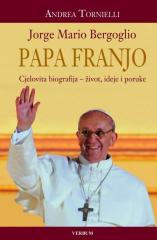
Jorge Mario Bergoglio – Papa Franjo
Biografski zapis Andree Tornijelija o životu, duhovnom putu i izboru Horhea Marija Bergolja za papu Franju, u kojem se ističu njegova poniznost, rad sa siromašnima i vizija obnovljene Crkve.
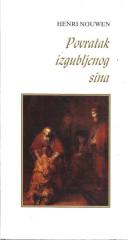
Povratak izgubljenog sina
Duhovno delo Anrija Nuvena inspirisano slikom Rembranta, u kojem autor duboko razmišlja o Božjoj milosti, oproštaju i sopstvenom putovanju od mlađeg i starijeg sina do uloge voljenog Oca.
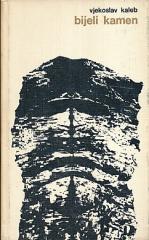
Bijeli kamen
Dirljiv roman Vjekoslava Kaleba o dečaku po imenu Zvone koji, odrastajući u dalmatinskom kršu, upoznaje životne teškoće, ljudske vrline, siromaštvo i lepotu svog rodnog kraja.
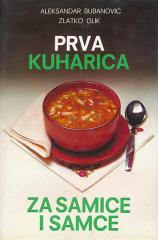
Prva kuharica za samice i samce
Praktičan i duhovit kulinarski vodič za one koji žive sami, koji sadrži jednostavne recepte, savete za kupovinu i trikove za brzu i ukusnu pripremu obroka.
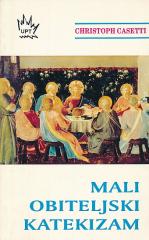
Mali obiteljski katekizam
Praktičan i pristupačan verski priručnik monsinjora Kristofa Kasetija, koji porodicama pruža temeljni pregled katoličke vere, molitve i sakramenata, kao i smernice za hrišćansko vaspitanje dece.
Taj čovek
Dirljiv roman indijske spisateljice Amrite Pritam o složenim ljudskim odnosima, društvenim ograničenjima i emocionalnim previranjima u kontekstu patrijarhalnog društva i potrazi za ličnim identitetom.
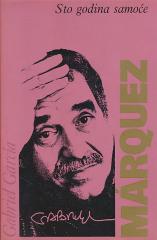
Sto godina samoće
Hronika sedam generacija porodice Buendija u izolovanom selu Makondo. Kroz uspon i pad porodice, Markes prikazuje sudbinu Latinske Amerike, preplićući stvarnost, magiju i neizbežnu usamljenost.
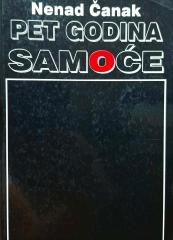
Pet godina samoće
Zbirka političkih eseja i članaka Nenada Čanka, nastalih tokom ratnog perioda (1989–1994), u kojima autor oštro kritikuje Miloševićev režim, ratnu politiku i uspon nacionalizma u Srbiji.