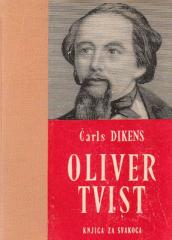
Oliver Twist ili život općinskog djeteta
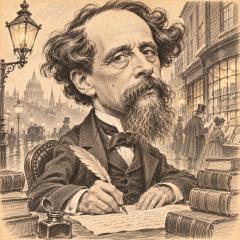
A classic of English literary realism following an orphan in Victorian London. Dickens's landmark novel exposes social injustice, childhood poverty, criminal exploitation and institutional hypocrisy.
Oliver Twist; or, The Parish Boy's Progress (1838) is one of the most significant novels by Charles Dickens (1812–1870) and a foundational work of English literary realism.
The novel follows the fortunes of Oliver Twist, an orphan who escapes the workhouse system and travels to London, where he becomes entangled with a criminal gang led by Fagin. Encounters with violence, exploitation and human kindness shape a dramatic narrative about the struggle for dignity, security and belonging.
Dickens combines elements of adventure and crime fiction with powerful social criticism, exposing the consequences of industrialisation, poverty and the British Poor Law Amendment Act of 1834. Oliver, Fagin, Nancy and Bill Sikes have become iconic characters in world literature.
The novel's literary and social significance derives from its influence on the development of socially conscious fiction and its exposure of institutional cruelty and child exploitation.
Originally serialised between 1837 and 1839, the novel has inspired numerous theatrical, cinematic and television adaptations. Earlier Croatian editions possess additional bibliographical and cultural value as records of the international reception of Dickens's literary work.
Jedan primerak je u ponudi
- Damaged book cover