Filipini iza ugla

Filipini iza ugla

Tito Bilopavlović

A collection of short stories, a sequel to Paunaš, which follows the growing up of a boy named Ivan and his group. The plot moves from Nova Gradiška to Zagreb, where the characters, now older, experience deeper emotions and face the challenges of adolesce

The stories, written in the third person, mostly from Filip's perspective, explore themes of love, guilt, fear, and acceptance in the adult world. Bilopavlović skillfully portrays the youthful soul, using humor and autobiographical elements, which brings readers closer to her. The klapa remains the center of the gathering, but external adventures are replaced by internal feelings. The stories reveal small but significant steps in growing up, such as exploring the basement and building the "Filipini fortress". The author does not shy away from sensitive topics, lifting the veil on what adults often hide, thereby enriching children's literature.

Although the collection is not a classic novel, the stories become more connected in the second part, which makes it easier to follow the plot. Critics point to occasional shortcomings, such as chronological disagreements and editorial oversights (e.g., changing the gender of the character Benda). Nevertheless, the work enchants with its simplicity, humor, and warmth, offering an insight into the children's world after World War II, along with universal themes of growing up.

Editor
Vera Barić
Illustrations
Ninoslav Kunc
Dimensions
21 x 17 cm
Pages
95
Publisher
Mladost, Zagreb, 1990.
 
Latin alphabet. Hardcover.
Language: Croatian.

One copy is available

Condition:Used, excellent condition
 

Are you interested in another book? You can search the offer using our search engine or browse books by category.

You may also be interested in these titles

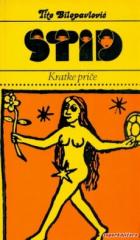
Stid

Stid

Tito Bilopavlović
Znanje, 1980.
Croatian. Latin alphabet. Paperback.
2.99
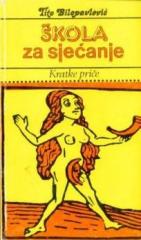
Škola za sjećanje

Škola za sjećanje

Tito Bilopavlović
Znanje, 1984.
Croatian. Latin alphabet. Paperback.
2.46
Devojka i golubovi

Devojka i golubovi

Jaroslaw Iwaszkiewicz

Young Edek lives with his elderly father who tries to keep his son by his side. The boy's longing for freedom and a girl clashes with his father's possessiveness. The pigeons symbolize unattainable freedom. The conflict leads to a tragic ending.

Svjetlost, 1965.
Serbian. Latin alphabet. Paperback.
2.14
Pripovijest o doktoru Dolittleu

Pripovijest o doktoru Dolittleu

Hugh Lofting

Serija dečjih priča o dobrodušnom doktoru Džonu Dulitu koji uči da razgovara sa životinjama, postaje veterinar i doživljava avanture: leči majmune u Africi, plovi morem, spasava prirodnjaka, susreće se sa piratima i posećuje magična ostrva.

Znanje, 2009.
Croatian. Latin alphabet. Paperback.
3.76
Rimske priče: izbor

Rimske priče: izbor

Alberto Moravia

Zbirke kratkih priča iz rimskog života u posleratnom dobu: obični ljudi iz naroda i sitne buržoazije – siromašni, radnici, sitne zanatlije – suočavaju se sa bedom, preživljavanjem, ljubomorom, sitnim prevarama i moralnim kompromisima u svakodnevnom životu

Otokar Keršovani, 1966.
Croatian. Latin alphabet. Hardcover.
3.98
Sikamora

Sikamora

Goran Samardžić

„Sikamura“ je zbirka koja ne nudi jasne odgovore, već podstiče čitaoca na tumačenje i razmišljanje, čineći je zahtevnom, ali značajnom u kontekstu savremene književnosti.

Bosanska knjiga, 1997.
Croatian. Latin alphabet. Paperback.
5.984.19