Stepski vuk

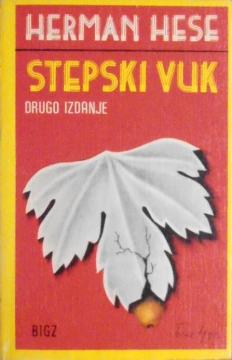
Stepski vuk

Hermann Hesse

The novel follows Harry Haller, a lonely intellectual torn between the human pursuit of spirituality and the wild, animal nature of the "steppe wolf". Through an identity crisis, he searches for meaning in the modern world.

Steppenwolf (1927) is one of the most famous works by the German-Swiss writer Hermann Hesse, written during a period of profound personal and existential crisis. Through the device of a discovered manuscript, the novel presents the confession of Harry Haller, a forty-year-old intellectual who views himself as a being split into two irreconcilable halves: the lofty human spirit and the raw, solitary "Steppenwolf." Haller despises the superficiality of bourgeois society, as well as the pettiness and militarism of his era, yet he fails to find inner peace or a sense of belonging. A turning point occurs during a night out when he meets Hermine, a mysterious woman who introduces him to an entirely new world of physical pleasures, dance, jazz, and intoxicants. Hermine shatters his illusion of a simple duality, teaching him that the human soul is composed not merely of two parts, but of an infinite multitude of layers. Through her, he also meets Pablo, a saxophonist, and a young woman named Maria; together, they help him break free from his rigid intellectual stiffness. The novel reaches its climax in the "Magic Theater"—a surreal realm of the subconscious and fantasy where, through a series of symbolic images, Harry learns to embrace every aspect of his personality. Using the motifs of humor and laughter, Hesse offers the only true remedy for despair: the individual's ability not to take themselves too seriously and to discover a higher spiritual harmony amidst the absurdity of everyday life.

Naslov originala
Steppenwolf
Prevod
Sonja Perović
Urednik
Vladimir Stojšin
Naslovnica
Bole Miloradović
Dimenzije
18 x 11,5 cm
Broj strana
273
Izdavač
BIGZ, Beograd, 1980.
 
Tiraž: 30.000 primeraka
 
Latinica. Broširano.
Jezik: Srpski.

Jedan primerak je u ponudi

Stanje:Korišćeno, u odličnom stanju
Dodato u korpu!
 

Zanima Vas i neka druga knjiga? Možete pretražiti našu ponudu pomoću pretrage ili prelistati knjige po kategorijama.

Možda će Vas zanimati i ovi naslovi

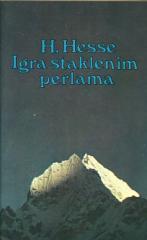
Igra staklenim perlama

Igra staklenim perlama

Hermann Hesse

Filozofski roman smješten u fiktivnu budućnost, u provinciji Kastalia, gdje intelektualna elita njeguje duhovnu disciplinu poznatu kao Igra staklenih perli. Roman prati život Josepha Knechta, koji od učenika postaje Magister Ludi, vrhovni učitelj Igre.

Sveučilišna naklada Liber (SNL), 1979.
Hrvatski. Latinica. Tvrde korice s omotom.
9,30
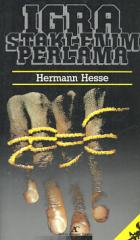
Igra staklenim perlama

Igra staklenim perlama

Hermann Hesse

Roman “Igra staklenim perlama” objavljen 1943. godine, najveće je, gotovo pa životno djelo Hermanna Hessea koje je pisao gotovo 12 godina.

August Cesarec, 1987.
Hrvatski. Latinica. Broširano.
8,32
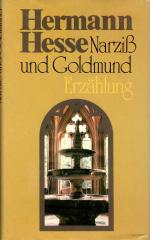
Narziß und Goldmund

Narziß und Goldmund

Hermann Hesse

U romanu Narcis i Zlatousti Hermann Hesse prati dva prijatelja: asketskog redovnika Narcisa i umjetnički nemirnog Zlatoustog, koji kroz lutanja, ljubav i patnju traži smisao života.

Suhrkamp Verlag, 1971.
Nemački. Latinica. Tvrde korice s omotom.
7,42
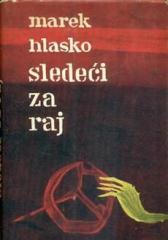
Sledeći za raj

Sledeći za raj

Marek Hlasko

Ovaj roman istražuje teme ljudske sudbine, nade i očaja.

Progres, 1963.
Srpski. Latinica. Tvrde korice s omotom.
5,00
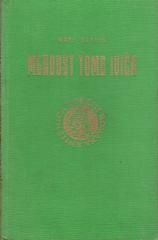
Mladost Tome Ivića

Mladost Tome Ivića

Mate Ujević

„Die Jugend des Toma Ivić“ (1928) ist ein autobiografischer Roman von Mate Ujević. Er schildert die spirituellen Irrfahrten, die Krisen der Jugend und die endgültige religiöse Bekehrung eines sensiblen jungen Mannes in der Herzegowina-Dalmatien.

Hrvatsko književno društvo Sv. Jeronima, 1928.
Hrvatski. Latinica. Tvrde korice.
11,32
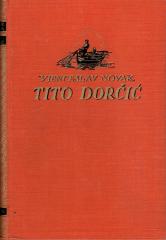
Tito Dorčić

Tito Dorčić

Vjenceslav Novak

Tito Dorčić prati tragičnu sudbinu sina ribara iz Senja, koga otac šalje da studira pravo u Beču. Rascepan između porodične tradicije, društvenih očekivanja i sopstvene prirode, Tito doživljava unutrašnji slom i propast.

Minerva nakladna knjižara, 1933.
Hrvatski. Latinica. Tvrde korice.
5,76