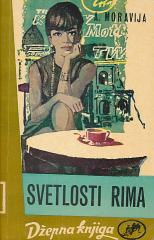
Rimljanka
Adrijana, prelepa Rimljanka iz siromašne porodice, želi normalan život, ali je majka tera da pozira slikarima i da se bavi prostitucijom. Njene ljubavne afere je vode kroz izdaju, nasilje i korupciju do konačne rezignacije.
Rimljanka je jedan od najpoznatijih romana Alberta Moravije, objavljen 1947. godine, u kojem protagonistkinja Adrijana pripoveda u prvom licu. Radnja se odvija u Rimu 1930-ih, tokom Musolinijevog fašističkog režima, ali politika je uglavnom u drugom planu – služeći kao korumpirani, nasilni kontekst koji oblikuje sudbine likova.
Adrijana, mlada, lepa devojka iz naroda, živi sa majkom Margeritom, siromašnom krojačicom koja je ogorčena zbog sopstvene prošlosti (napuštena je dok je bila trudna). Njena majka Adrijaninu lepotu vidi kao kapital: tera je da pozira gola slikarima za novac, nadajući se da će je to dovesti do boljeg života. Adrijana sanja o jednostavnom, iskrenom braku i porodici, ali se zaljubljuje u Đina, šarmantnog, ali prevarnog vozača. On je eksploatiše i vara, i brak se raspada.
Adrijana tada ulazi u svet prostitucije. Njena majka je upoznaje sa Đizelom, koja je upoznaje sa plaćenim vezama. Ovde se pojavljuje Astarita, moćni fašistički policijski službenik – opsednut Adrijanom, koji koristi svoju moć da je natera na seks i da mu postane ljubavnica. Adrijana ga mrzi, ali pristaje zbog novca i straha.
Ključna figura postaje Mino (Đakomo), student antifašista i idealista koji deli letke protiv režima. Adrijana se iskreno zaljubljuje u njega – on za nju predstavlja nešto čisto i iskreno. Ali Mino biva uhapšen; pod mučenjem izdaje svoje drugove, postaje ravnodušan i slomljen. Adrijana, trudna sa nasilnikom Sonconjom (kriminalcem i ubicom), pokušava da spase Mina, ali on odbija njenu pomoć i ljubav.
Roman se završava Adrijaninom potpunom rezignacijom: ona rađa dete, živi sa majkom u siromaštvu, prihvata svoju sudbinu bez iluzija. Kroz nju, Moravija prikazuje sudbinu žena u patrijarhalnom, korumpiranom društvu – gde lepota postaje kletva, a iskrenost nemoguća. Teme su egzistencijalno otuđenje, nemogućnost autentične ljubavi, erotska opsesija, moralni slom pod totalitarizmom i pasivnost pred sudbinom.
Stil je realističan, detaljan, sa fokusom na psihologiju i fizički aspekt. Adrijana je snažna, pasivna heroina – ona se ne buni, već pliva kroz život, što je Moraviji omogućilo da kritikuje društvo kroz individualnu sudbinu. Roman je izazvao skandal u konzervativnim krugovima (crkva ga je 1952. stavila na Indeks zbog „nepristojnosti“), ali i hvaljen – iste godine je dobio Premio Strega. Uticao je na neorealizam i film – čuvenu adaptaciju sa Đinom Lolobriđidom 1954. godine.
Više primeraka je u ponudi
Primerak broj 3
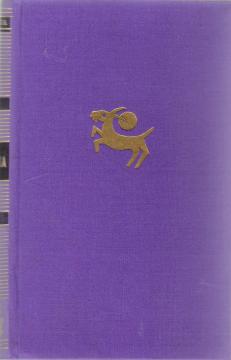
- Pohabane korice