Milutin Cihlar Nehajev
Milutin Cihlar Nehajev (Senj, 25. studenoga 1880. – Zagreb, 7. travnja 1931.) bio je hrvatski književnik, romanopisac, novelist, dramatičar, esejist, književni i kazališni kritičar, novinar i prevoditelj. Jedan je od najznačajnijih predstavnika hrvatske književne moderne i svestranih intelektualaca svoga doba.
Rođen je u senjskoj građanskoj obitelji češko-hrvatskih korijena (otac Sebald Cihlar doselio se iz Češke). Pučku školu završio je u Senju, gimnaziju u Zagrebu. U Beču je studirao kemiju, a 1903. doktorirao filozofiju. Nakon studija radio je kao profesor u Zadru, gdje je 1905. pokrenuo list Lovor. Živio je i radio u Trstu (urednik lista Balkan), Križevcima (asistent u agrikulturno-kemijskom zavodu), a od 1912. stalno u Zagrebu. Bio je dugogodišnji suradnik i urednik vodećih novina (Obzor, Jutarnji list, Agramer Tagblatt) te dopisnik iz Pariza, Praga i Beograda. Godine 1926. izabran je za predsjednika Društva hrvatskih književnika.
Nehajev je pripadao generaciji hrvatske moderne. Njegovo stvaralaštvo karakterizira duboka psihološka analiza, modernistički senzibilitet, suptilna ironija i motivi propadanja osjetljive intelektualne ličnosti, bijega od stvarnosti, usamljenosti, sukoba ideala i grubog društva te generacijskih lomova. Posebno se isticao kao vrstan kazališni i glazbeni kritičar.
Nehajev je bio angažirani intelektualac s izraženim nacionalnim stavovima. Podržavao je hrvatsku državotvornu misao, pravaštvo i ideje Eugena Kvaternika i Ante Starčevića. Pisao je o hrvatskim političkim ličnostima (Ivan Mažuranić, Eugen Kvaternik) i nacionalnim temama (stogodišnjica Hrvatskog narodnog preporoda). Iako je u mladosti bio blizak naprednim krugovima, njegovi politički stavovi bili su kompleksni i ponekad proturječni – primjerice, suradnja s unionističkim listovima izazvala je kontroverze. Uvijek je naglašavao hrvatski nacionalni identitet i kritizirao tuđinske utjecaje.
Najvažnija djela:
- Romani: Bijeg (1915., često smatran najboljim romanom hrvatske moderne), Vuci (1928., povijesni roman o Krsti Frankopanu)
- Pripovijetke i novele: Poloneza, Veliki grad, Zeleno more, Kostrenka i dr.
- Drame: Prielom, Svjećica, Klupa na mjesečini
- Esejistika: Studija o Hamletu (1917.), Rakovica (o Rakovičkoj buni i Kvaterniku), brojne studije o Tolstoju, Dostojevskom, Ibsenu, Flaubertu, Strindbergu, Zoli, Šenoi, Gjalskom, Leskovaru, Nazoru i dr.
Godine 1944. i 1945. (u izdanju Hrvatskog izdavalačkog bibliografskog zavoda) objavljeno je 10 svezaka sabranih Djela Milutina Nehajeva. Zbog ratnih i poratnih okolnosti planirani dodatni svesci nisu izašli, pa sabrana djela ostaju nepotpuna.
Nehajev je umro u 50. godini života. Iako nije bio toliko popularan u javnosti kao neki suvremenici, njegova proza, drame i esejistika imaju visoku umjetničku vrijednost i snažan utjecaj na razvoj moderne hrvatske književnosti. Danas se njegova djela ponovno otkrivaju kao relevantna zbog psihološke dubine, modernog pristupa i bogatog intelektualnog naslijeđa.
Naslovi u ponudi

Bijeg
Psihološki roman o propasti darovitog intelektualca Đure Andrijaševića koji bježi od stvarnosti, ali ne pronalazi spas ni u gradu ni u provinciji. Klasik hrvatske moderne (1909.).
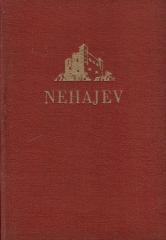
Drame
U trećem svesku sabranih djela Milutina Nehajeva okupljene su njegove drame koje prate autorov razvoj od mladenačkog zanosa do zrele introspekcije: Prielom, Svjećica, Život, Spasitelj i Klupa na mjesečini.

Eseji I.
Eseji I. (1944.) sabiru autorove značajne studije o europskim klasicima: Tolstoju, Flaubertu, Ibsenu, Strindbergu, Zoli, Dostojevskom te esej "O dva morala". Duboka moderna kritičko-psihološka esejistika.

Iz mladih dana
"Iz mladih dana" (1944.) prvi je svezak Djela Milutina Nehajeva. Obuhvaća pjesme, novele i crtice, književne članke te kazališnu kroniku iz njegove rane faze. Rijetko izdanje u originalnom omotu.
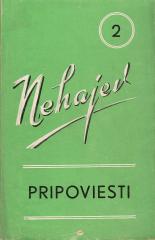
Pripoviesti
"Pripoviesti" (1944.) donose Nehajevljeve pripovijetke onim redom kako su se pojavljivale i u ovom izdanju su prvi put okupljene u jednoj knjizi. Rijetko ratno izdanje u originalnom omotu.
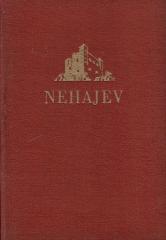
Rakovica
"Rakovica" je beletrizirana povijesno-politička monografija o Rakovičkoj buni 1871. i Eugenu Kvaterniku. Nedovršeno posmrtno djelo s dubokim psihološkim i nacionalnim portretom hrvatskog političara i ustanka.
Rakovica: o 60. godišnjici smrti Eugena Kvaternika
Nehajevljeva „Rakovica”, u izdanju koje je priredio Blaž Jurišić, prikazuje Rakovičku bunu, njezine uzroke i ideje. Nehajev knjigu nije dovršio zbog iznenadne smrti; završio ju je i priredio Blaž Jurišić.
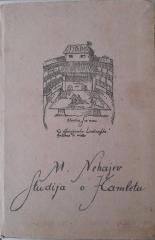
Studija o Hamletu
Studija o Hamletu (1917.) je psihološko-kritička analiza Shakespeareova remek-djela. Nehajev Hamletov lik tumači kao modernog intelektualca – pasivnog, bolesne volje, cinika i fatalista suočenog s pokvarenim svijetom.
Studije i članci I.
Studije i članci I. (1944.) sadrže izbor autorovih najvažnijih književnih studija i ogleda o Janku Leskovaru, Augustu Šenoi, Gjalskom, Eugenu Kvaterniku, Milanu Ogrizoviću i hrvatskom teatru. Zrelo kritičko-esejističko izdanje.
Studije i članci II.
Knjiga sadrži autorove važne eseje o Ivanu Mažuraniću (kancelaru i banu), Vladimiru Mažuraniću te o stogodišnjici Hrvatskog narodnog preporoda. Značajno nacionalno-kritičko i povijesno-esejističko izdanje.