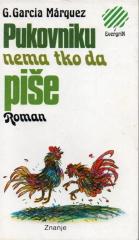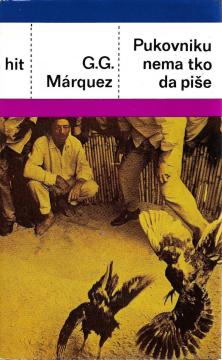
Pukovniku nema tko da piše

Pukovniku nema tko da piše

Gabriel Garcia Marquez

The Colonel Has No One to Write to by Gabriel García Márquez is a story about an old colonel who has been waiting for years for his promised state pension. In poverty and uncertainty, he refuses to lose hope.

Nobody to Write to the Colonel is one of the most famous short works by Colombian writer Gabriel García Márquez. The story takes place in a small Caribbean town during a period of political repression following the civil conflict in Colombia.

The main character is an elderly colonel, a veteran of one of the civil wars, who has been going to the dock every Friday for fifteen years waiting for a letter from the government. The state promised him a military pension for his participation in the war, but the letter never arrives. Despite this, the colonel stubbornly believes that justice will be served one day.

He lives with his wife, who suffers from asthma. Both are very poor and gradually sell almost everything they own to survive. Their only valuable possession is a fighting cock, inherited from their son Agustín. The son was killed for his political activities, and the cock is the last memory of him. While his wife wants to sell the animal to raise money for food and medicine, the colonel believes that the rooster's victory in the upcoming fights could change their fate.

The novel depicts a series of everyday situations: visits to the post office, conversations with neighbors, attempts to buy food on credit, and the constant struggle with poverty. Although almost nothing happens on the outside, internal tension grows through the conflict between hope and despair. The colonel refuses to accept defeat and remains true to his own dignity even when faced with hunger.

The work explores themes of waiting, injustice, political repression, and human perseverance. The final scene, in which the colonel answers the question of what he will eat with determination and defiance, is considered one of the most memorable in Latin American literature. The novel is a powerful portrayal of a man who, despite everything, refuses to lose faith in the future.

Titel des Originals
El Coronel No Tiene Quien Le Escriba
Übersetzung
Milivoj Telećan
Editor
Zlatko Crnković
Titelseite
Alfred Pal
Maße
19 x 13 cm
Seitenzahl
108
Verlag
Znanje, Zagreb, 1979.
 
Latein Schrift. Fester Einband mit Schutzumschlag.
Sprache: Kroatisch.

Es werden zwei Exemplare angeboten

Kopiennummer 1

Zustand:Gebraucht, in sehr gutem Zustand
Nachteile/Unannehmlichkeiten:
  • Slight damage to the dust jacket
Zum Warenkorb hinzugefügt!

Kopiennummer 2

Zustand:Gebraucht, in sehr gutem Zustand
Zum Warenkorb hinzugefügt!
 

Interessieren Sie sich für ein anderes Buch? Sie können das Angebot über unsere Suchmaschine suchen und finden oder Bücher nach Kategorien durchsuchen.

Diese Titel könnten Sie auch interessieren

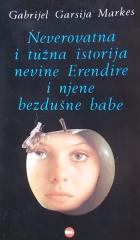
Neverovatna i tužna istorija nevine Erndire i njene bezdušne babe: sedam priča

Neverovatna i tužna istorija nevine Erndire i njene bezdušne babe: sedam priča

Gabriel Garcia Marquez
Dečje novine, 1979.
Kroatisch. Latein Schrift. Taschenbuch.
2,99
Pukovniku nema tko da piše

Pukovniku nema tko da piše

Gabriel Garcia Marquez

The Colonel Has No One to Write to by Gabriel García Márquez is a story about an old colonel who has been waiting for years for his promised state pension. In poverty and uncertainty, he refuses to lose hope.

Znanje, 1982.
Kroatisch. Latein Schrift. Taschenbuch.
4,86
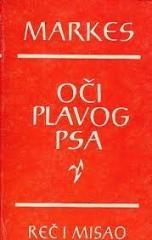
Oči plavog psa

Oči plavog psa

Gabriel Garcia Marquez
Izdavačko preduzeće "Rad", 1979.
Serbisch. Latein Schrift. Taschenbuch.
3,98
Quattrocento

Quattrocento

Susana Fortes

A double story: Florence 1478, the Pazzi conspiracy against the Medici. In the 21st century, student Ana Sotomayor investigates Renaissance painter Pierpaolo Masoni and his enigmatic painting - uncovering the hidden truth about the conspiracy and its cons

Fraktura, 2010.
Kroatisch. Latein Schrift. Taschenbuch.
3,46
Polagana smrt Luciane B.

Polagana smrt Luciane B.

Guillermo Martínez

Luciana B., a former assistant to the famous writer Kloster, believes that Kloster is methodically taking revenge on her. She seeks help from a lesser-known writer; two conflicting versions of events lead to a tense game of truth and revenge.

Vuković & Runjić, 2008.
Kroatisch. Latein Schrift. Taschenbuch.
7,42
Hitar kao žudnja

Hitar kao žudnja

Laura Esquivel

This sensual and emotional story explores the complex relationships of love, communication, and family ties through the life story of Júbilo, a man gifted with the exceptional gift of understanding and conveying emotions.

Algoritam, 2005.
Kroatisch. Latein Schrift. Taschenbuch.
3,24