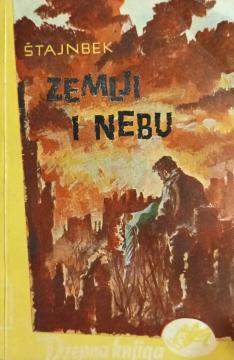
Zemlji i nebu
Steinbecks mühsam geschriebenes Frühwerk aus dem Jahr 1933 greift Motive aus Jenseits von Eden auf. Ein Hit unter Liebhabern von Mystik und Ökologie – ein mystischer Roman über die tiefe Verbundenheit des Menschen mit der Erde und den Konflikt zwischen he
Die Hauptfigur, Joseph Wayne, der dritte Sohn des Ranchers John Wayne, verlässt mit dem Segen seines Vaters seine Heimat Vermont und macht sich auf den Weg nach Kalifornien. Dort, im Nuestra Señora Valley, kauft er eine Ranch unter einer großen Eiche, die seiner Meinung nach den Geist seines Vaters verkörpert. Er lädt seine Brüder ein, sich ihm auf benachbarten Ländereien anzuschließen: den ältesten, Burton, einen gläubigen Christen, der mit Harriet verheiratet ist; Thomas, einen Tierliebhaber, der mit der willensstarken Frau Rama verheiratet ist; und den jüngsten, Benjy, einen verantwortungslosen Trinker, der mit Jennie verheiratet ist. Gemeinsam bauen sie ein Familienanwesen auf.
Joseph heiratet die Literaturlehrerin Elizabeth McGregor aus Monterey, die ihm einen Sohn, den kleinen John, schenkt. Er heuert Juanito an, einen treuen Vaquero (der angeblich kastilischer Abstammung ist, aber indianischer Abstammung). Dieser führt ihn in lokale Legenden über periodische „dürre Jahre“ und einen heiligen, unheimlichen, moosbedeckten Stein an einer Quelle in einem Kiefernwald ein – ein Ort der Ehrfurcht und Anbetung.
Benjys Untreue führt zur Tragödie: Juanito ersticht ihn, nachdem er ihn beim Verführen seiner Frau Alice erwischt hat. Von Schuldgefühlen überwältigt, fleht Juanito Joseph an, ihn aus Rache zu töten, doch Joseph weigert sich und schlägt vor, die Sache als Unfall zu vertuschen. Juanito flieht und verspricht, eines Tages zurückzukehren.
Inspiriert vom Rat eines alten Mexikaners organisiert Joseph ein heidnisches Neujahrsfest voller Ausschweifungen und Tanz. Burton ist entsetzt, und unter dem Einfluss des strengen Christentums des Priesters Pater Angelo baut dieser wütend eine Eichenpanzerung an und tötet so symbolisch Josephs „Gott“.
Ohne Regen im Winter folgen schreckliche Dürrejahre, die Ernte und Viehbestand vernichten. Um Elisabeths Angst vor dem heiligen Feld zu beruhigen, nimmt Josef sie mit dorthin. Sie klettert auf einen moosbedeckten Stein, rutscht aus, bricht sich das Genick und stirbt. Am Boden zerstört überlässt Josef den kleinen Johannes Rama und bleibt allein zurück.
Als die Quelle versiegt und das Land tot erscheint, erkennt Josef, dass er dessen lebendiges Herz ist. In einem letzten Opfer schneidet er sich die Pulsadern am heiligen Stein auf und vergießt sein Blut, um ihn zu „bewässern“. Als er seinen letzten Atemzug tut, fällt endlich Regen und erneuert das Tal.
Angeboten wird ein Exemplar