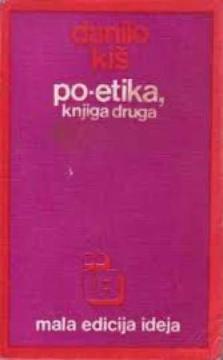
Po-etika, knjiga druga
Zbirka intervjua koja dopunjuje prvu knjigu eseja iz 1972. Kao predavač srpskohrvatskog jezika na Univerzitetu u Bordou, Kiš u razgovorima otkriva srž svoje „po-etike“ – moralno i estetski nabijenu viziju književnosti kao poslednjeg utočišta ljudskog duha
Citat iz knjige: „umetnost je... još uvek poslednja instanca, poslednje utočište ljudskog duha. Kada svi riču svojim svinjskim srcima, poslednji koji će još uvek videti ljudskim očima i osećati ljudskim srcem biće oni kojima iskustvo umetnosti nije bilo strano.“
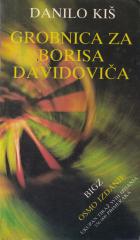
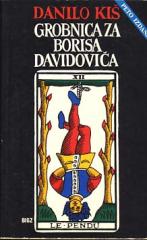
Rođen u Subotici 1935. godine u mešovitoj jevrejsko-crnogorskoj porodici, Kiš je izgubio oca Eduarda u Aušvicu 1944. godine, što je duboko oblikovalo njegov pogled na svet: teme smrti, traume, identiteta i istorije prožimaju njegov opus, od „Peščanog čoveka“ (1972) do „Grobnice za Borisa Davidoviča“ (1976). U intervjuima, inspirisanim Nabokovom i ruskim formalistima (Šklovski, Ajhenbaum), zagovara palimpsest – slojevito brisanje i prepisivanje teksta do apsolutnog, mada neuhvatljivog principa. Kritikuje „autopastiš“ (samopovratak) i generalizujuću kritiku, preferirajući fragmentaciju, ironiju i depersonalizaciju u odnosu na lirski sentimentalizam ili ideološke programe. Njegova poetika je „nesrećna i rezignirana“: nesrećna zbog nedoslednosti zahteva, rezignirana pred njihovom nedostižnošću, ali istrajna pred biografskim „zarobljavanjem“ (Sartr) i strepnjom pred smrću.
Knjiga sadrži rasprave o uticajima (Prust, Andrić), književnoj formi (od prvog do trećeg lica, fragmenti u „Peščaniku“ sa 67 delova), politici (odbacivanje socijalističkog realizma, borba protiv nepravde bez ideologije) i egzistencijalnim pitanjima. Kasnije su delovi uključeni u „Homo poeticus“ (1983), Kišov izbor eseja i intervjua, dok je celina objavljena posthumno u „Skladištu“ (1995). Kao simbol intelektualnog otpora, „Po-etika“ je uticala na evropsku književnost, prevedena na brojne jezike, ističući književnost kao pitanje, a ne kao odgovor – u svetu gde istorija proždire pojedinca. Kiš, koji je preminuo 1989. u Parizu, ostaje glas protiv zaborava: „Brojanje je talisman protiv smrti.“
Angeboten wird ein Exemplar