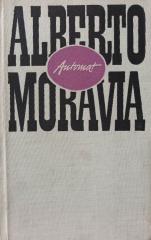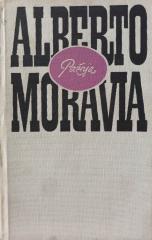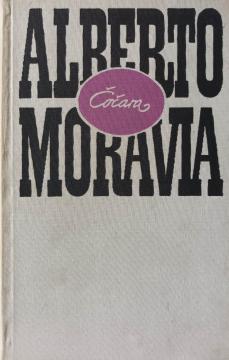
Čočara
Die Witwe Cesira und ihre Tochter Rosetta fliehen aus dem bombardierten Rom in ihre Heimat Ciociaria, wo sie Hunger, Angst und Elend erleben. Die Befreiung bringt eine Tragödie: Rosetta wird von marokkanischen Soldaten vergewaltigt, was ihren Glauben an G
Das Dienstmädchen ist einer von Alberto Moravias eindringlichsten Kriegsromanen. Er erschien 1957 und basiert teilweise auf seinen eigenen Erfahrungen bei der Flucht aus Rom 1943/44 mit Elsa Morante. Die Geschichte wird aus der Ich-Perspektive von Cesira erzählt, einer starken, pragmatischen Witwe aus der Ciociaria (einer Region südlich von Rom, bekannt für ihre Armut und bäuerliche Prägung), die in Rom einen kleinen Laden betreibt, um zu überleben.
Cesira möchte ihre 18-jährige Tochter Rosetta beschützen, ein schönes, frommes und naives Mädchen. Als der Krieg sich Rom nähert (alliierte Bombenangriffe, deutsche Besatzung), näht Cesira Geld in ein Kleid und flieht mit ihrer Tochter aufs Land, in ihr Heimatdorf Vallecorsa. Dort begegnen sie Hunger, Kälte, dem Egoismus der Bauern und dem Chaos des Krieges. Sie treffen auf Michele, eine idealistische Antifaschistin, die vergeblich versucht, die Bauern aufzurütteln. Neun Monate lang verstecken sie sich in den Bergen, hungern und warten auf die Alliierten.
Die Befreiung 1944 bringt die größte Tragödie: Auf dem Rückweg nach Rom wird Rosetta von einer Gruppe marokkanischer Goumiers (alliierte Soldaten in der französischen Armee) brutal vergewaltigt – ein historisches Ereignis, bekannt als Marocchinate. Diese Tat zerstört Rosettas Unschuld und ihren Glauben; sie verfällt in Verzweiflung, wird promiskuitiv und prostituiert sich. Cesira verliert den Glauben an die Menschen und an Gott und erkennt, dass das Böse nicht nur im Faschismus oder Krieg liegt, sondern in der menschlichen Natur selbst – auch in ihrer eigenen. Der Roman endet hoffnungslos: Sie haben überlebt, sind aber gebrochen.
Hier wendet sich Moravia von der bürgerlichen Selbstbetrachtung ihrer früheren Werke ab und präsentiert eine neorealistische Darstellung des Krieges aus weiblicher Perspektive – Hunger, Demütigung, Gewalt gegen Frauen, bäuerlicher Opportunismus und die Lüge der „Befreiung“. Sie kritisiert, wie der Krieg das Schlimmste im Menschen offenbart, unabhängig von der Seite. Das Werk ist stark autobiografisch und politisch engagiert, mit einem Fokus auf die körperliche Gewalt und den moralischen Verfall.
Der Roman wurde 1960 von Vittorio De Sica mit Sophia Loren (Oscar als Beste Hauptdarstellerin) und Jean-Paul Belmond in den Hauptrollen verfilmt – der Film verstärkte die emotionale und visuelle Wirkung der Geschichte. Čočara bleibt ein ergreifendes Porträt des Krieges als Zerstörer der Menschheit, insbesondere des Schicksals der Frauen im Chaos.
Angeboten wird ein Exemplar
- Spuren von Patina