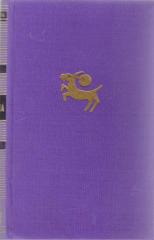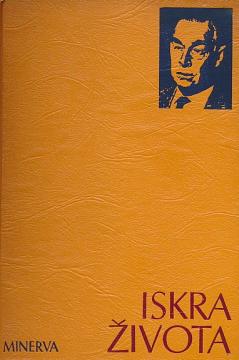
Iskra života

Iskra života

Erich Maria Remarque

Spark of Life follows a group of inmates in a Nazi concentration camp who, despite the constant terror, retain their moral strength and humanity. The novel depicts the struggle of the spirit against systematic destruction and the need for hope.

The Spark of Life by Erich Maria Remarque is a powerful anti-war novel set in a concentration camp during the final months of World War II. The plot focuses on “Block 6,” a section for political prisoners that the Nazi regime considered particularly dangerous. The prisoners are tormented by starvation, disease, forced labor, and daily humiliations, but despite everything, they remain firmly bound by the idea of ​​resistance and the belief that human dignity can survive even in the worst conditions.

The central character, known only as “509,” is severely weakened but mentally unshakable. Through his thoughts and brief but impressive interactions with other camp inmates, Remarque depicts the small gestures of solidarity, defiance, and courage that keep the prisoners alive. The novel also follows the dynamics within the camp: the brutality of the guards, the indifference of the commandant, and the collapse of the system as the war draws to a close.

At the same time, outside the camp, a resistance movement is growing, and the merging of these two worlds culminates in the moment of liberation. Remarque describes how the greatest struggle is not just physical survival, but also the preservation of the “spark of life” – the inner will that gives a person meaning and identity even in the face of death.

The work is an indictment of totalitarianism and dehumanization, but also an ode to the resilience of the human spirit. Through brutal scenes and emotional introspection, Remarque reminds us that humanity is most clearly seen when it is most difficult to preserve.

Titel des Originals
Der Funke Leben
Übersetzung
Ognjenka Milićević, Sergije Lukač
Editor
Milivoje Marković
Maße
20 x 15 cm
Seitenzahl
380
Verlag
Minerva, Subotica, 1978.
 
Latein Schrift. Hardcover.
Sprache: Serbisch.

Angeboten wird ein Exemplar

Zustand:Gebraucht, in sehr gutem Zustand
Nachteile/Unannehmlichkeiten:
  • Slight damage to the cover
Zum Warenkorb hinzugefügt!
 

Interessieren Sie sich für ein anderes Buch? Sie können das Angebot über unsere Suchmaschine suchen und finden oder Bücher nach Kategorien durchsuchen.

Diese Titel könnten Sie auch interessieren

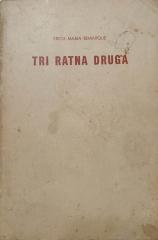
Tri ratna druga

Tri ratna druga

Erich Maria Remarque

Three World War I comrades—Robbie, Otto, and Gottfried—try to survive in Weimar Germany in 1928. Amid economic crisis, poverty, and political violence, their friendship is their only refuge.

Minerva, 1953.
Serbisch. Latein Schrift. Taschenbuch.
1,99
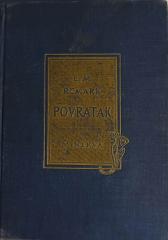
Povratak

Povratak

Erich Maria Remarque
Minerva, 1955.
Kroatisch. Latein Schrift. Hardcover.
1,62 - 1,98
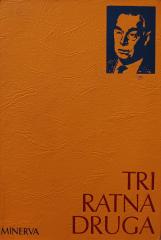
Tri ratna druga

Tri ratna druga

Erich Maria Remarque

Tri druga iz Prvog svetskog rata - Robi, Oto i Gotfrid - pokušavaju da prežive u Vajmarskoj Nemačkoj 1928. godine. Usred ekonomske krize, siromaštva i političkog nasilja, njihovo prijateljstvo je njihovo jedino utočište.

Minerva, 1978.
Serbisch. Latein Schrift. Hardcover.
3,99 - 8,98
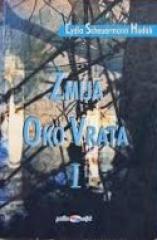
Zmija oko vrata I-II

Zmija oko vrata I-II

Lydia Scheuermann-Hodak

War-psychological prose set during the Homeland War (1991–1995), with a focus on Slavonia and partly on events in Bosnia. The work belongs to a cycle of prose about the war and women's experiences in it.

Grafika, 2004.
Kroatisch. Latein Schrift. Taschenbuch.
Das Buch besteht aus zwei Bänden
9,76
Zaboravljene djevojke

Zaboravljene djevojke

Martha Hall Kelly

The novel The Forgotten Girl is based on the real life of a member of New York's posh circles, who fought for the rights of Kunić, a group of women who survived the horrors of the Ravensbrück concentration camp.

Mozaik knjiga, 2018.
Kroatisch. Latein Schrift. Taschenbuch.
7,986,38 - 8,42
Čočara

Čočara

Alberto Moravia

Widow Cesira and her daughter Rosetta flee bombed Rome to their native Ciociaria, where they experience hunger, fear and misery. Liberation brings tragedy: Rosetta is raped by Moroccan soldiers, destroying their faith in God and people.

Otokar Keršovani, 1966.
Kroatisch. Latein Schrift. Hardcover.
3,96