Antikvarne knjige
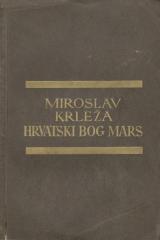
Hrvatski bog Mars
Zbirka novela Hrvatski bog Mars Miroslava Krleže jedno je od najvažnijih antiratnih djela hrvatske književnosti. Prvi put je izdana 1922. godine, pa 1933., a svoj konačan oblik je dobila 1947.
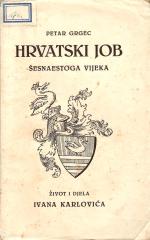
Hrvatski Job šesnaestoga vijeka – život i djela Ivana Karlovića
Petar Grgec prikazuje život bana Ivana Karlovića (Kurjakovića), poznatog kao „hrvatski Job“ zbog patnji u borbama protiv Turaka. Popularno-povijesna monografija u izdanju HKD sv. Jeronima.
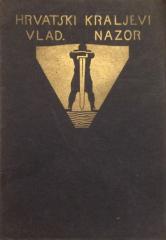
Hrvatski kraljevi
Izdanje iz 1912. godine. Uključuje i Galijotovu pesan.

Hrvatski narodni vladari od god. 620.–1102.
A pioneering attempt at a systematic presentation of Croatian political history from the settlement of Croats to the conclusion of a personal union with Hungary. Segher chronologically traces the development of Croatian statehood, relying on the sources a
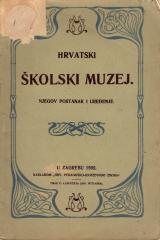
Hrvatski školski muzej, njegov postanak i uređenje
The Croatian School Museum, its Origin and Organization (1902) is a publication that presents the founding, purpose, collections, and organization of the Croatian School Museum as a central institution for the study of the history of education and pedagog
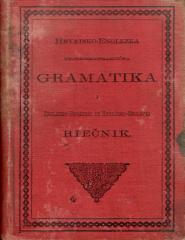
Hrvatsko-englezka teoretsko-praktična gramatika i englezko-hrvatski te hrvatsko-englezki riečnik
Croatian-English theoretical-practical grammar with a double dictionary (English-Croatian and Croatian-English) prepared in 1906 in New York by Dragan M. Jagrović for Croatian emigrants.
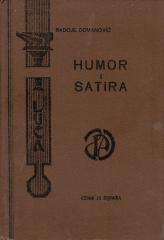
Humor i satira
"Humor i Satira" by Radoje Domanović (1935) is a selection of the most famous satirical stories by the Serbian master of satire. A critique of society, politics and mentality through a witty and sharp style.
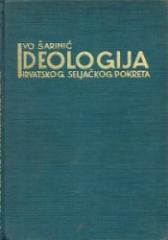
Ideologija hrvatskog seljačkog pokreta
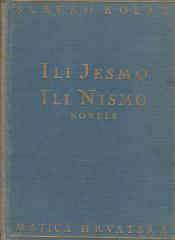
Ili jesmo ili nismo
Either We Are or We Are Not (1933) is Slavko Kolar's most famous collection of short stories. With a satirical and warm sense of humor, Kolar depicts the life of the Croatian village and the common man in interwar Yugoslavia – electoral fraud, bureaucracy
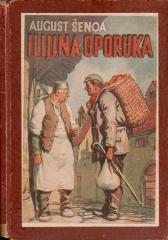
Ilijina oporuka / Lijepa Anka
Book 16 of the Collected Works of August Šenoa combines two powerful narratives: a satirical critique of civic immorality and wastefulness in Ilija's Testament and a romantic, dramatic story of unhappy love and social barriers in Lijepa Anka.