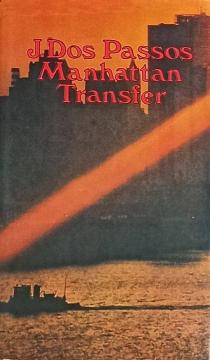
Manhattan Transfer
John Dos Passos' 1925 veröffentlichter Roman konzentriert sich auf die Entwicklung des städtischen Lebens in New York City vom Gilded Age bis zum Jazz Age, erzählt anhand einer Reihe sich überschneidender Einzelgeschichten. Er gilt als eines der wichtigst
Ein experimenteller Roman, der das Leben einer vielfältigen Gruppe von Charakteren im New York des frühen 20. Jahrhunderts schildert und das hektische Tempo des urbanen Lebens widerspiegelt. In einer fragmentarischen Erzählweise verwebt der Roman die Geschichten Dutzender Charaktere und behandelt Themen wie Ehrgeiz, Scheitern, Klassenunterschiede und das Streben nach dem amerikanischen Traum.
Die Handlung folgt Figuren wie Ellen Thatcher, einer aufstrebenden Schauspielerin, die am Broadway Erfolg haben will, aber mit emotionalen und moralischen Kompromissen konfrontiert ist, und Jimmy Herf, einer idealistischen Journalistin, die mit Enttäuschungen in Beruf und Liebe zu kämpfen hat. New York City dominiert die Geschichte, fast wie eine Figur – seine Wolkenkratzer, Menschenmassen, Jazzclubs und armen Viertel bilden die Kulisse für das chaotische Leben der Figuren. Der Roman schildert die Kontraste zwischen Arm und Reich, die Höhen und Tiefen, während die Figuren mit einem Gefühl der Entfremdung und dem Verlust ihrer Identität in der modernen Welt zu kämpfen haben.
Dos Passos verwendet innovative Techniken wie das „Kameraauge“ und Zeitungsausschnitte, um den Puls der Stadt und den sozialen Wandel einzufangen. Der modernistisch inspirierte Schreibstil verbindet Poesie, Prosa und dokumentarische Elemente und zeichnet so ein kaleidoskopisches Porträt der Metropole. Obwohl der Roman keine lineare Handlung hat, fängt er den Zeitgeist ein – von Einwanderern auf der Suche nach einem Neuanfang bis hin zu Börsenspekulanten und Arbeitern. Kritiker loben seine Authentizität und Kapitalismuskritik, während Leser von seiner rohen Energie und der realistischen Darstellung des Stadtlebens angezogen werden.
Angeboten wird ein Exemplar