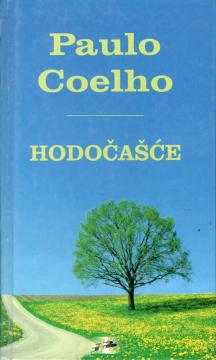
Hodočašće
Ein romantisierter Bericht über die Pilgerreise des Autors nach Santiago de Compostela im Jahr 1986. Diese Erfahrung auf einem der drei heiligen Pfade der Alten wurde für ihn zu einer wahren Initiation und veränderte ihn für immer.
Coelho weist ausdrücklich darauf hin, dass sein erstes Buch kein Reiseführer zum Jakobsweg sei, sondern vielmehr eine Geschichte über seine Erfahrungen auf dieser Pilgerreise. Das Buch ist geprägt von reiseprosaischen Elementen mit Landschafts- und Siedlungsbeschreibungen, einer Reihe historischer und literarischer Erinnerungen, erzählten Legenden und Wundergeschichten. Im Vordergrund steht die Wiederentdeckung des Glaubens durch den Erzähler, „einen Wert, der jeden anderen Glauben übersteigt“. Dies geschieht schrittweise, im ständigen Dialog mit dem Führer Petrus, in den spirituellen Übungen, die er vorschlägt, und durch das Erkennen der eigenen Fehler. Auf dieser Pilgerreise wurde Coelho klar, dass „das Streben nach Glück eine persönliche Angelegenheit ist und kein Vorbild, das wir anderen geben können“ und dass diese Erfahrung nicht nur Heiligen und Propheten, sondern auch gewöhnlichen Menschen vorbehalten ist.
Zwei Details zu Coelhos Pilgerreise sind besonders interessant. Auf seiner Hochzeitsreise mit seiner zweiten Frau in Europa Anfang der 1980er Jahre besuchte er unter anderem Dachau, wo er eine Vision hatte, in der ihm ein Mann erschien. Nach einiger Zeit in Amsterdam traf er denselben Mann wieder, und dieser schlug ihm vor, zum Katholizismus zurückzukehren und eine Pilgerreise nach Santiago zu unternehmen (Coelho hatte zuvor verschiedene spirituelle Erfahrungen gemacht, von Hippie bis zu schwarzer Magie). Während der Pilgerfahrt selbst hinterließ der Berg Cebrerio, der im letzten Kapitel des Buches beschrieben wird, den stärksten Eindruck auf ihn und war so stark, dass er in seinem Testament den Wunsch äußerte, dass seine Asche dort verstreut werden sollte.
Angeboten wird ein Exemplar