Elin Pelin
Elin Pelin (bürgerlich Dimitar Ivanov Stoyanov, 1877–1949) zählt zu den bedeutendsten bulgarischen Schriftstellern des 20. Jahrhunderts und gilt als unübertroffener Meister der Kurzgeschichte. Er wurde in einer armen Bauernfamilie im Dorf Bajlovo bei Sofia geboren. Ohne seine Schulbildung abzuschließen, arbeitete er als Lehrer, Bibliothekar und Journalist. 1897 nahm er das Pseudonym Elin Pelin an, nach der Landschaft seiner Heimatregion.
Sein Werk ist eng mit der bulgarischen Landschaft verbunden, die er mit großem Verständnis, feinem Humor, Lyrik und Mitgefühl für den einfachen Mann schildert. Elin Pelin beschreibt meisterhaft das Bauernleben mit all seinen Freuden und Leiden, mit List, Armut, Glauben und dem Schicksal gewöhnlicher Menschen in schwierigen sozialen Verhältnissen. Seine bekanntesten Werke sind die Erzählsammlung Razkazi (1904 und 1911), die Novelle Gerakovi (1911), der Roman Zemlja (1928) und die humorvollen Geschichten über Piž und Pendo im Chopin-Dialekt. Er schrieb auch Kinderliteratur, darunter die Abenteuer von Jan Bibijan.
Im Ersten Weltkrieg nahm er als Korrespondent teil und bekleidete später hohe kulturelle Ämter: Er war Direktor des Ivan-Vazov-Museums und Präsident des Verbandes Bulgarischer Schriftsteller. Sein Stil zeichnet sich durch Schlichtheit, einen reichen Bezug zur Volkssprache und subtile Ironie aus. Elin Pelin gilt als Klassiker der bulgarischen Literatur und ist einer der meistgelesenen bulgarischen Autoren, dessen Werke noch immer Wärme, Humanismus und ein tiefes Verständnis der bäuerlichen Seele ausstrahlen.
Titles in our offer
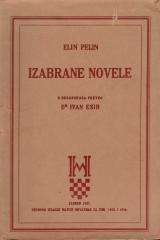
Izabrane novele
Eine Sammlung der besten Erzählungen von Elin Pelin, übersetzt von Ivan Esih. Sie präsentiert kraftvolle, realistische und warmherzige Geschichten aus dem bulgarischen Hinterland – Armut, Leid, List, Humor und die tiefe Menschlichkeit des einfachen Bauern