Reportaže i intervjui • Časopisi i magazini
Sportski magazin broj 5
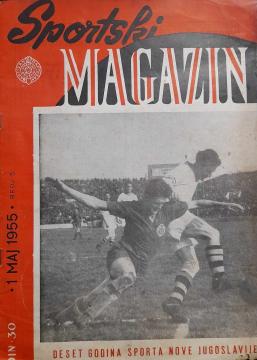
Peti broj "Sportskog magazina", u izdanju SD Partizan. Na naslovnici Miloš Milutinović u akciji pred golom Wiener sport kluba. Pišu Artur Takač, Vlado Ivković, Ante Lambaša, intervju sa Stjepanom Bobekom...
Jedan od najpoznatijih sportskih novinara o svojim susretima i intervjuima s poznatim svjetskim sportistima onoga doba, od Ala Browna i Stanleya Matthewsa, do Sonje Henie i Malcolma Campbella.
Narodni sport, 1951.
Croatian. Latin alphabet. Paperback.
8.56 €
Journals and magazines • Sports and leisure • Interviews
The second issue of the yearbook "Football" - Toni Pogačnik's report from the Olympics in Helsinki, review of the match of the Yugoslav national team, with a look at the dramatic match against the USSR, reviews of the championship, all leagues, review of
Sportska knjiga, 1952.
Serbian. Cyrillic alphabet. Paperback.
28.36 €
Croatian literature • World War II • Croatian history • Monographs • Political-historical essays • Interviews
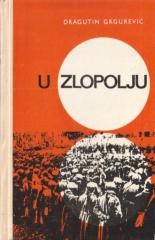
"In Zlopolje" by Dragutin Grgurević tells the story of the operations of the Third Dalmatian National Liberation Strike Brigade during the NOB. The book is small in format, but of great importance for understanding the local aspects of the NOB.
Narodna armija, 1971.
Croatian. Latin alphabet. Hardcover.
6.36 €
German literature • Travel Books • Interviews
The book is a travelogue-reportage work by the "crazy reporter" Egon Ervin Kisch, which presents impressive accounts of China in the turbulent period of the 20th century.
Binoza, 1934.
Croatian. Latin alphabet. Hardcover with dust jacket.
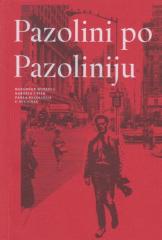
In one of the last interviews, from 1969, Giuseppe Cardillo talks to Pier Paolo Pasolini, director of cult films such as Salo or 120 days of Sodom and Decameron, writer, poet and one of the most important intellectuals of Italy in the 20th century
Multimedijalni institut, 2023.
Serbian. Latin alphabet. Paperback.
7.54 €
Reiseberichte • Berichte und Interviews • Slavonija, Baranja i Srijem
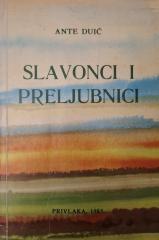
Der Journalist und Publizist Ante Duić besuchte in seiner Freizeit slawonische Dörfer und schrieb auf, was er für wichtig hielt, um es aufzuzeichnen und vor dem Vergessen zu bewahren.