Konformist
Marčelo Kleriči, opsednut normalnošću nakon traumatičnog detinjstva i homoseksualnog napada, postaje fašistički birokrata. Ženi se prosečnom Đulijom, a na njihovom „medenom mesecu“ u Parizu dobija zadatak da ubije bivšeg profesora, antifašistu Kvadrija.
Konformista je jedan od najvažnijih političko-psiholoških romana Alberta Moravije, objavljen 1951. godine. Inspirisan je stvarnim atentatom na antifašiste Roselije (Moravijine rođake) od strane fašista u Francuskoj 1937. godine. Roman je podeljen na prolog (detinjstvo), glavni deo (odraslo doba) i epilog (posleratni period).
Glavni lik Marčelo Kleriči je mladić iz rimske buržoazije koji pati od dubokog osećaja abnormalnosti. Kao dete, doživljava nasilje od strane oca (koji tone u ludilo), hladnoću majke i pokušaj seksualnog zlostavljanja od strane Lina (bivšeg sveštenika). U panici, puca u Lina, verujući da ga je ubio – događaj koji ga obeležava traumom „abnormalnosti“ i krivice. Čitavog života pokušava da postane „normalan“: pristupa fašizmu kao sistemu koji nudi jednoobraznost, ženi se običnom, prosečnom Đulijom (koja simbolizuje malograđansku bezbednost), radi u Ministarstvu spoljnih poslova i gradi fasadu savršenog buržuja.
Kada mu fašistička tajna služba naredi da likvidira bivšeg profesora Kvadrija (antifašistu u egzilu) u Parizu, Marčelo koristi medeni mesec sa Đulijom kao paravan. U Parizu upoznaje Kvadrija i njegovu mladu, senzualnu suprugu Linu (Anu), u koju se zaljubljuje - ali ta ljubav je ambivalentna, mešavina privlačnosti i želje da je „normalizuje“. Misija kulminira atentatom na Kvadrija i Linu u šumi blizu granice - nasilje je prikazano kao haotično, neuspešno i patetično.
Epilog se dešava 1944. godine, nakon pada fašizma: Marčelo, sada u strahu, upoznaje Linu (koja je preživela) i shvata da je njegova „normalnost“ bila iluzija – on je zapravo bio konformista iz straha, a fašizam je samo pojačao njegovu unutrašnju prazninu i moralni slom.
Moravija ovde analizira psihologiju fašizma: konformizam nije pasivna poslušnost, već aktivna strast za uniformnošću, bekstvo od individualnosti i seksualne/egzistencijalne „abnormalnosti“. Marčelo je Moravijin tipični antiheroj – otuđen, nesposoban za autentičnost, zarobljen u lažnim ulogama. Roman kritikuje buržoaziju i totalitarizam kroz intimnu psihološku dramu, povezujući seksualnu represiju sa političkim oportunizmom.
Delo je uticalo na Bertolučijev film iz 1970. (sa Trintinjanom), koji je pojačao vizuelnu i erotsku dimenziju. Konformista ostaje snažan portret kako strah od sebe može dovesti do kriminala i gubitka identiteta.
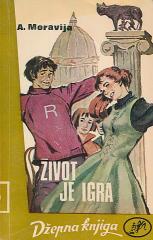
Jedan primjerak je u ponudi