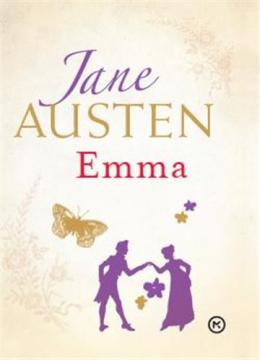
Emma
A witty and ironic story about the smart, rich and beautiful Emma Woodhouse who loves to manage other people's lives and marriages. A classic novel about coming of age, vanity, love and social relations in English provincial society.
Emma is the fourth published novel by Jane Austen, published in 1815, and is considered one of her most accomplished and entertaining works. Set in the fictional village of Highbury, it follows Emma Woodhouse, a beautiful, intelligent, and wealthy twenty-year-old who lives with her ailing father and has no material worries. Convinced of her superiority and ability to understand people's hearts, Emma embarks on the role of matchmaker – with disastrous consequences.
The novel follows her attempts to marry off her poor friend Harriet Smith, her conflicts with the serious and ironic Mr. Knightley, and a series of confusions, gossip, and misjudgments. Through the character of Emma, Austen masterfully dissects class relations, social conventions, snobbery, and the position of women in English society at the turn of the 18th and 19th centuries.
Unlike other Austen heroines, Emma is wealthy and privileged, and her development is focused on moral maturation, acknowledging her own flaws, and learning humility. The novel shines with subtle humor, sharp irony, and brilliant dialogue.
Emma is among the greatest works of English literature. It is often considered Austen's most comical and multi-layered novel, and its heroine is one of the most complex and beloved in world literature. Filmed many times, it remains essential reading for lovers of classic literature and subtle psychological prose.
One copy is available