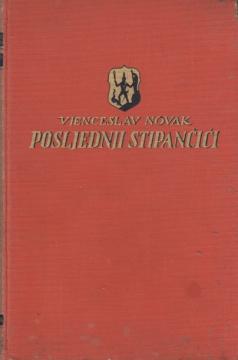
Posljednji Stipančići
This seminal novel of Croatian Realism depicts the downfall of the Stipančić noble family from Senj through the lens of the father’s patriarchal despotism, the family’s delusions, and the social changes of the 19th century.
The Last of the Stipančićs (Posljednji Stipančići) stands as one of the most mature and renowned works of Croatian realism. In it, Vjenceslav Novak—often referred to as the "Croatian Balzac"—masterfully depicts the decline of a patrician family in the town of Senj during the first half of the 19th century. Through the fate of the Stipančić family, the author also illustrates the broader socio-political context of the era: the waning of the nobility, the rise of the bourgeoisie, and the political turmoil and conflicts between the Illyrians and the Magyarones. At the heart of the narrative is the father, Ante Stipančić—an autocratic and self-absorbed patriarch—who invests all his wealth, hopes, and affection in his son, Lucijo, blindly believing in his future career and political ascent. In doing so, he completely neglects and oppresses his wife, Valpurga, and his daughter, Lucija, relegating them to the roles of submissive and subordinate women within the household. However, Lucijo’s life of ease and irresponsibility in Vienna leads the family to total financial and moral ruin. Particularly poignant and moving is the character of the neglected daughter, Lucija, whose tragic love and yearning for freedom evolve into a powerful protest against patriarchal oppression. Novak skillfully weaves together retrospection and family chronicle with profound psychological nuance, crafting a timeless drama about false pride, shattered illusions, and tragic familial relationships.
One copy is available